
Versatile Converting Machines Supporting Multiple Packaging Applications
Packaging production continues to evolve as manufacturers seek flexible solutions that deliver consistent quality, efficient operations, and attractive finished products. Versatile converting machines play an important role in meeting these expectations by supporting different materials, formats, and production requirements. Their adaptable capabilities help businesses manage diverse packaging applications while maintaining smooth workflows and dependable output.
Adaptability Across Different Packaging Materials
Modern converting equipment is designed to handle a wide selection of materials, allowing production teams to respond to changing application requirements. This flexibility supports the creation of packaging products with different structures, dimensions, and functional properties.
Key material-related advantages include:
- Flexible film processing: Supports the production of lightweight packaging with reliable material handling.
- Paper conversion: Enables efficient processing for bags, wraps, labels, and protective packaging.
- Laminated material handling: Combines multiple layers to achieve improved durability and functionality.
- Specialty substrate compatibility: Accommodates different material characteristics for varied packaging purposes.
- Consistent material feeding: Maintains controlled movement throughout important production stages.
Improving Efficiency Through Advanced Functions
Efficient converting operations depend on accurate processing, coordinated machine functions, and reliable production speed. Integrated technologies help simplify multiple manufacturing activities while supporting consistent results across different packaging applications.
Important operational benefits include:
- Automated feeding systems that maintain steady material movement.
- Precision cutting mechanisms that produce accurate dimensions.
- Advanced sealing functions that support dependable packaging structures.
- Adjustable settings that accommodate different production specifications.
- Efficient winding and rewinding systems that improve material organization.
- Integrated monitoring features that support smooth machine operation.
These capabilities help reduce unnecessary handling and encourage better coordination between production stages.
Supporting Diverse Packaging Applications
Versatile machinery provides valuable flexibility for manufacturers working with different packaging formats. Its adaptable configuration makes it easier to manage changing product requirements without depending on entirely separate production arrangements. By incorporating suitable converting technologies, businesses can develop packaging solutions that combine practical performance with attractive presentation. Exploring advanced equipment capabilities through https://www.ketegroup.com/fr/ can also provide useful insight into modern converting possibilities.
Common applications include:
- Food packaging films designed for convenient storage and handling.
- Protective wraps that help maintain product condition.
- Flexible pouches with practical opening and sealing features.
- Paper-based packaging for everyday commercial applications.
- Industrial packaging materials designed for dependable protection.
- Laminated packaging structures that combine strength and functionality.
Enhancing Quality and Production Flexibility
Consistent quality remains an important consideration throughout packaging manufacturing. Modern converting machines incorporate precise controls and adaptable operating features that help maintain dependable output across different production requirements.
Additional advantages include:
- Accurate alignment for uniform finished products.
- Controlled processing that supports consistent material quality.
- Flexible production settings for different packaging dimensions.
- Reduced manual intervention through automated operations.
- Efficient equipment adjustments that simplify product changeovers.
- Reliable performance across repeated manufacturing cycles.
Building Smarter Packaging Operations
The continued development of converting technology creates valuable opportunities for improved productivity and manufacturing flexibility. Equipment that supports multiple applications helps production teams respond confidently to evolving packaging needs. By combining automation, precision, material compatibility, and adaptable configurations, manufacturers can establish efficient workflows while maintaining attractive product presentation. Investing in versatile converting capabilities also encourages responsible material utilization, consistent output, and long-term operational improvement across diverse packaging applications.
How Maltitol Compares With Other Common Sugar Replacers
Choosing a suitable sugar replacer can make a meaningful difference in food formulation, sweetness, texture, and overall product quality. Different alternatives offer distinct characteristics, making it important to understand how they perform in everyday food applications. Maltitol stands out because of its balanced sweetness, functional versatility, and ability to support appealing product textures. Comparing it with other common sugar replacers helps manufacturers identify suitable ingredients for their formulation goals.
Understanding Maltitol and Its Key Characteristics
Maltitol is a sugar alcohol commonly used in reduced-sugar and sugar-free food products. Its properties make it a practical ingredient for applications that require sweetness alongside desirable physical characteristics.
Some notable benefits include:
- Balanced Sweetness: Maltitol provides a sweetness level relatively close to regular sugar, supporting familiar flavour profiles.
- Smooth Texture: It contributes to pleasant mouthfeel in confectionery and bakery formulations.
- Low Sugar Content: It offers manufacturers an alternative ingredient for developing reduced-sugar products.
- Versatile Applications: It works well in chocolates, candies, chewing gums, and various baked goods.
- Functional Performance: Its bulk and texture-related properties help maintain product consistency.
Maltitol Compared With Erythritol
Erythritol is another widely used sugar alcohol with distinctive formulation properties. Both ingredients provide sweetness, but their functional characteristics differ.
- Maltitol offers a sweetness level closer to regular sugar.
- Erythritol generally provides less sweetness, making blending with other sweeteners useful.
- Maltitol contributes greater bulk in many formulations.
- Erythritol has a cooling sensation that can influence flavour perception.
- Both ingredients support the development of reduced-sugar food options.
These differences allow manufacturers to select ingredients according to their desired sweetness, texture, and finished product characteristics.
Comparing Maltitol With Xylitol and Sorbitol
Xylitol and sorbitol are popular alternatives that serve different purposes in food manufacturing. Maltitol offers several useful characteristics when compared with these ingredients.
- Xylitol: Provides sweetness comparable to sugar and is commonly incorporated into confectionery and chewing gum.
- Sorbitol: Offers moisture-retaining properties that make it useful in soft-textured products.
- Maltitol: Combines substantial sweetness with bulk, making it suitable for chocolate and bakery applications.
- Texture Considerations: Each ingredient influences consistency, moisture, and mouthfeel differently.
- Formulation Flexibility: Manufacturers can select individual ingredients or combine suitable alternatives to achieve specific product qualities.
Maltitol and High-Intensity Sweeteners
High-intensity sweeteners differ from sugar alcohols because they deliver sweetness in much smaller quantities. Maltitol provides both sweetness and physical bulk, which can be particularly useful when replacing sugar in complete recipes.
Important differences include:
- High-intensity sweeteners generally contribute minimal bulk.
- Maltitol supports the physical structure of various food products.
- Some formulations combine bulk sweeteners with high-intensity alternatives.
- Ingredient selection influences flavour balance and finished texture.
Understanding these distinctions is valuable, and additional information about formulation considerations and https://www.saigaoingredients.com/blogs/maltitol-side-effects/ can support informed ingredient selection.
Conclusion
Maltitol offers a versatile combination of sweetness, texture, and functional performance compared with other common sugar replacers. Each alternative has its own advantages, making formulation requirements an important consideration. By understanding their differences, manufacturers can develop appealing products with balanced sweetness, desirable consistency, and reliable quality while expanding opportunities for reduced-sugar food innovation.
Packaging Innovation Combining Practicality, Quality, and Sustainability
Packaging plays an important role in protecting products, improving presentation, and creating convenient experiences for consumers. Modern packaging innovation focuses on combining practical features with reliable quality and environmentally responsible materials. Thoughtful designs help businesses maintain product freshness, simplify handling, and support efficient storage. By bringing together functionality, durability, and sustainability, packaging solutions can meet everyday requirements while encouraging responsible product choices.
Practical Designs for Everyday Convenience
Practical packaging makes product handling easier for manufacturers, retailers, and consumers. Well-planned structures provide useful features that improve storage, transportation, and accessibility.
- Easy Handling: Lightweight packaging allows products to be carried, arranged, and distributed conveniently.
- Functional Shapes: Carefully designed dimensions support efficient stacking and organized storage.
- User-Friendly Features: Convenient openings, secure closures, and resealable options improve everyday usability.
- Flexible Applications: Different packaging formats accommodate various product sizes and requirements.
- Space Efficiency: Compact designs help maximize available storage and transportation capacity.
These practical improvements create smoother packaging experiences while maintaining an attractive and organized appearance.
Maintaining Quality Through Innovative Materials
Material selection directly influences packaging performance, product protection, and overall presentation. High-quality materials help preserve product condition while supporting consistent functionality.
- Reliable Protection: Strong structures help protect contents from external pressure and handling conditions.
- Freshness Support: Suitable barrier properties help maintain product quality during storage.
- Durable Construction: Carefully selected materials contribute to dependable packaging performance.
- Attractive Finishes: Smooth surfaces and refined textures improve visual appeal.
- Consistent Production: Quality-focused manufacturing supports uniform dimensions and dependable results.
Businesses exploring packaging possibilities can also review material options and design inspiration through resources such as https://www.yoonpak.com/de/ while considering suitable solutions for their requirements.
Sustainability as a Packaging Priority
Environmental responsibility has become an important consideration in packaging development. Innovative approaches encourage thoughtful material usage, efficient production, and improved disposal practices.
- Recyclable Materials: Suitable paper-based materials support recycling opportunities.
- Renewable Resources: Responsibly sourced materials contribute to resource-conscious packaging choices.
- Reduced Material Usage: Optimized designs help avoid unnecessary packaging components.
- Reusable Options: Durable formats can encourage repeated use where appropriate.
- Efficient Manufacturing: Responsible production methods help minimize material waste.
Combining these approaches allows packaging development to support environmental awareness without overlooking essential functional requirements.
Creating Balanced Packaging Solutions
Successful packaging innovation requires careful attention to convenience, quality, appearance, and environmental considerations. Bringing these elements together creates solutions that serve multiple purposes.
- Thoughtful Customization: Adaptable designs accommodate different product categories and presentation needs.
- Improved Organization: Functional structures make product storage and arrangement easier.
- Visual Consistency: Coordinated shapes, colors, and finishes strengthen product presentation.
- Performance Evaluation: Regular quality checks help maintain dependable packaging standards.
- Future-Focused Development: Continuous design improvements encourage more efficient and responsible packaging practices.
Packaging innovation continues to create valuable opportunities for businesses seeking practical and responsible solutions. By prioritizing usability, durable materials, attractive presentation, and sustainable choices, manufacturers can develop packaging that supports changing expectations. A balanced approach strengthens everyday functionality while encouraging thoughtful resource management and long-term progress across the packaging industry.
Practical Applications of Pneumatic Valves Across Industries
Pneumatic valves play an important role in modern industrial operations by controlling compressed air movement and supporting efficient machine performance. Their ability to regulate airflow, manage pressure, and direct pneumatic power makes them valuable across different applications. From automated production systems to material handling equipment, these components contribute to smooth operations, consistent performance, and improved productivity.
1. Manufacturing and Production Operations
Manufacturing facilities depend on pneumatic valves to coordinate different machine functions. They help control cylinders, actuators, and other air-powered components with reliable movement.
- Operating automated assembly equipment
- Controlling machine movement and positioning
- Supporting packaging and sealing processes
- Managing repetitive production tasks
- Improving operational consistency
- Coordinating multiple pneumatic mechanisms
These applications help maintain organized workflows while supporting dependable production cycles.
2. Material Handling and Transportation
Pneumatic valves contribute to efficient material handling by controlling equipment used for lifting, pushing, sorting, and transferring products. Their responsive operation supports accurate movement throughout handling processes.
- Operating pneumatic lifting mechanisms
- Controlling conveyor-related equipment
- Supporting product sorting systems
- Managing automated loading operations
- Improving material transfer accuracy
Such capabilities help simplify handling activities and encourage productive equipment utilization.
3. Food Processing and Packaging
Air-powered systems offer useful solutions for various food processing and packaging applications. Pneumatic valves regulate airflow in equipment that performs repetitive movements, helping maintain accurate and coordinated operations.
Their applications include:
- Controlling automated filling equipment
- Operating packaging machinery
- Supporting product sorting activities
- Managing sealing mechanisms
- Coordinating labeling equipment
These functions contribute to consistent packaging quality and efficient processing workflows.
4. Automotive and Assembly Applications
Automotive production involves numerous operations requiring controlled movement and precise equipment coordination. Pneumatic valves support these activities through dependable airflow management.
Common applications include:
- Operating assembly line actuators
- Controlling component positioning
- Supporting automated gripping systems
- Managing pneumatic fastening equipment
- Coordinating repetitive manufacturing movements
Their flexibility makes them useful in production environments with multiple interconnected processes.
5. Pharmaceutical and Chemical Processing
Controlled pneumatic operations are valuable in processing environments where equipment requires consistent movement and carefully managed workflows. Understanding the https://www.vincervalve.com/pneumatic-valve-working-principle/ helps explain how directional control and airflow regulation support these applications.
Pneumatic valves can assist with:
- Operating automated dispensing mechanisms
- Controlling process equipment
- Supporting packaging operations
- Managing pneumatic actuators
- Coordinating equipment movements
6. Agricultural and Construction Equipment
Pneumatic technology also supports specialized machinery used in agricultural and construction activities. Valves help manage compressed air functions and improve equipment responsiveness.
- Controlling pneumatic attachments
- Supporting automated machinery functions
- Operating air-powered tools
- Managing equipment positioning
- Improving operational coordination
Conclusion
Pneumatic valves provide practical benefits across numerous industrial sectors through reliable airflow control, adaptable functionality, and efficient equipment coordination. Their applications support manufacturing, packaging, material handling, processing, and specialized machinery. By selecting suitable valve configurations and maintaining proper system conditions, industries can achieve smoother operations, consistent machine performance, and productive workflows.
Effective Valve Repair Solutions Support Consistent Industrial Productivity
- Industrial productivity depends on reliable equipment, smooth fluid movement, and uninterrupted operating performance. Valves play an essential role in controlling pressure, regulating flow, and maintaining process stability across various industrial applications. Regular inspection and professional repair services help maintain their efficiency while supporting long-term equipment reliability. With the right maintenance approach, businesses can improve operational continuity, minimize unexpected interruptions, and achieve consistent production results.
Importance of Reliable Valve Repair Solutions
Well-maintained valves contribute significantly to the overall performance of industrial systems. Timely repairs help preserve equipment functionality and ensure that fluid control operations remain dependable under different working conditions.
-
- Improved Operational Efficiency: Properly repaired valves support consistent flow regulation and dependable equipment performance.
- Reduced Production Interruptions: Addressing minor issues early helps prevent unexpected operational disruptions.
- Extended Equipment Lifespan: Replacing worn seals and damaged internal components helps maintain long-term valve functionality.
- Better Process Control: Accurate valve operation supports stable pressure levels and controlled fluid movement.
- Cost-Effective Maintenance: Timely repairs reduce unnecessary replacement expenses and support efficient resource management.
Identifying Common Valve Performance Issues
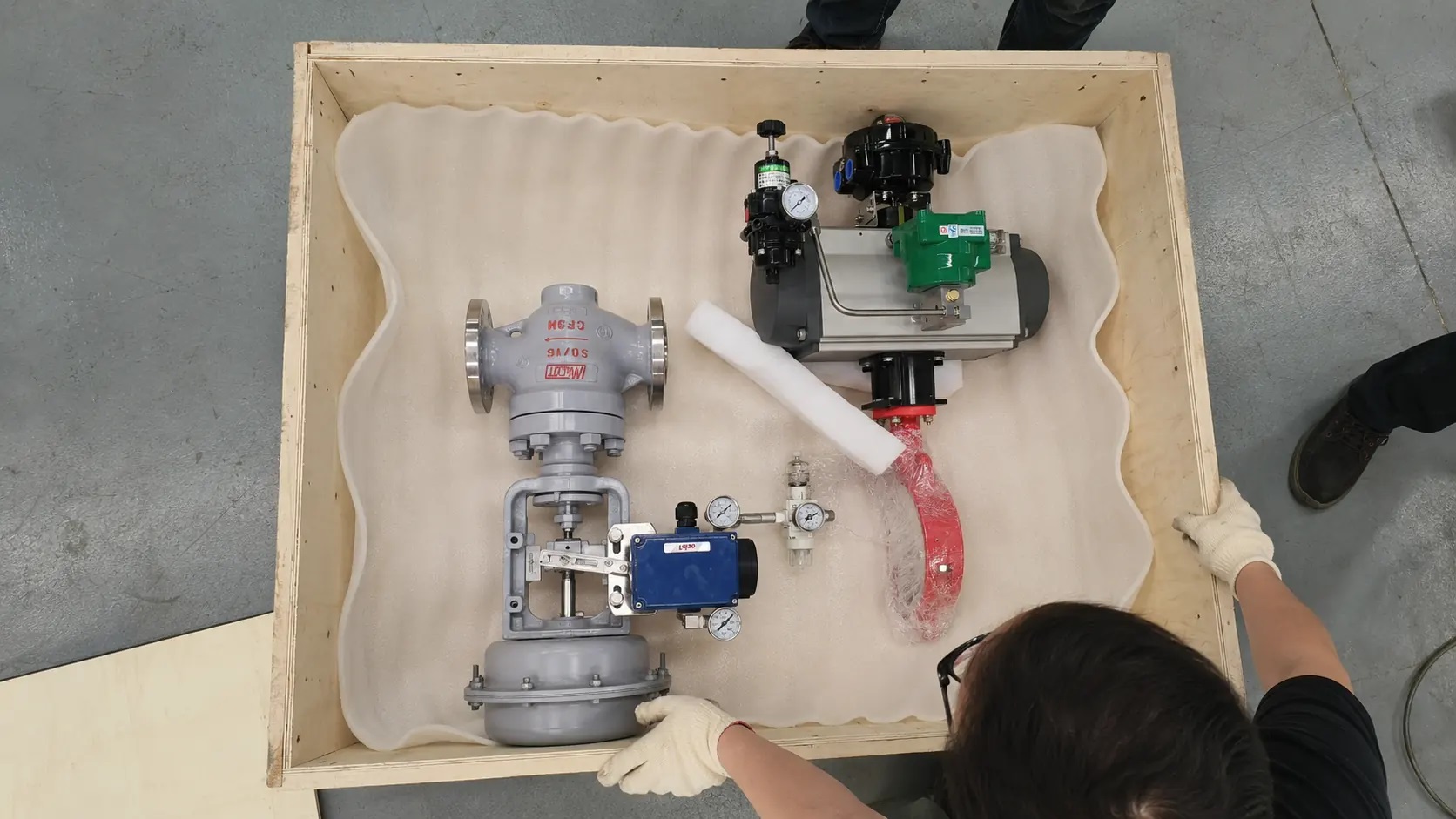
Understanding early warning signs makes maintenance activities more effective. Regular equipment observation helps maintenance teams recognize developing concerns and arrange suitable repairs before they affect overall productivity.
-
- Fluid Leakage: Damaged seals, loose connections, and worn components can affect proper sealing performance.
- Irregular Flow: Internal blockages or mechanical wear may interfere with consistent fluid movement.
- Unusual Vibrations: Unexpected movement or noise can indicate the need for inspection and adjustment.
- Delayed Operation: Slow valve responses may affect process timing and equipment coordination.
- Pressure Fluctuations: Inconsistent pressure regulation can influence the performance of connected machinery.
Professional Repair Techniques Enhance Equipment Reliability
Quality repair services focus on restoring valve performance while maintaining the integrity of essential components. Careful evaluation and suitable replacement materials help ensure dependable operation across demanding industrial applications.
-
- Component Inspection: Detailed examination helps identify worn, damaged, or incorrectly fitted parts.
- Seal Replacement: Installing compatible sealing materials supports effective leakage prevention.
- Internal Cleaning: Removing accumulated debris helps restore smooth movement and reliable operation.
- Actuator Maintenance: Proper servicing improves responsiveness and supports accurate valve control.
- Performance Testing: Thorough checks help confirm satisfactory operation after repair activities.
Preventive Maintenance Supports Consistent Productivity
A planned maintenance schedule creates opportunities to monitor equipment condition and maintain reliable performance. Consistent attention to operating conditions also helps improve equipment availability and workplace efficiency.
-
- Routine Inspections: Regular visual checks help identify developing concerns at an early stage.
- Pressure Monitoring: Maintaining suitable operating pressure supports dependable valve performance.
- Proper Lubrication: Appropriate lubrication helps reduce friction and unnecessary component wear.
- Clean Operating Conditions: Effective filtration limits contamination and protects internal valve components.
- Maintenance Records: Documenting service activities helps improve future maintenance planning.
Choosing Suitable Repair Solutions for Long-Term Performance
Selecting appropriate repair services makes a valuable difference in maintaining industrial productivity. Experienced technicians, quality replacement components, and application-specific recommendations contribute to dependable equipment operation.
Understanding https://www.vincervalve.com/solenoid-valve-failure-symptoms/ also helps maintenance teams recognize potential performance concerns and make informed repair decisions.
-
- Quality Components: Reliable replacement parts support durability and consistent functionality.
- Technical Expertise: Skilled maintenance professionals help ensure accurate inspections and effective repairs.
- Application Compatibility: Suitable materials and valve specifications improve performance under operating conditions.
- Reliable Testing: Post-repair assessments support confidence in equipment functionality.
- Ongoing Support: Consistent maintenance assistance encourages long-term operational stability.
Conclusion
Effective valve repair solutions are essential for maintaining reliable industrial productivity and efficient equipment performance. Combining timely repairs, preventive maintenance, quality components, and professional technical support helps businesses achieve smoother operations and improved equipment longevity. A proactive approach to valve care strengthens process reliability, supports consistent production, and creates lasting value for industrial operations.
Digital Signage Solution Creates Attractive Displays For Business Communication
Attractive displays can make business communication more engaging, organized, and memorable. Digital screens provide a flexible way to present messages, product information, announcements, and promotional content through appealing visual formats. A well-designed digital signage solution can improve communication while creating a polished and welcoming environment.
Engaging Visual Communication
Visual content can capture attention and make important information easier to notice. Digital displays allow businesses to combine clear text, images, graphics, and other creative elements to create an enjoyable communication experience.
- Makes important messages highly visible
- Supports attractive content presentation
- Encourages audience attention
- Improves information accessibility
- Creates a welcoming visual environment
Flexible Content Presentation
Different business areas may require different communication styles. Digital displays provide flexibility for presenting announcements, product details, promotional messages, schedules, and helpful information while maintaining a consistent visual appearance. A suitable https://www.zhsunyco.com/tr/ solution can support creative communication and help businesses keep their displays fresh and informative. Flexible content presentation also makes it easier to adapt messages according to changing communication requirements.
Clear Information Improves Engagement
Well-organized content helps viewers understand information comfortably. Digital signage can present messages using readable layouts and appealing visuals, allowing important details to remain easy to identify.
- Supports clear information delivery
- Highlights essential messages effectively
- Improves content visibility
- Makes displays easier to understand
- Encourages comfortable viewing
Supports Promotional Displays
Digital screens provide an attractive space for showcasing promotional information and highlighting selected products or services. Creative visual content can make key messages more noticeable while supporting a professional presentation. Promotional displays can be refreshed to reflect current communication priorities. This flexibility allows businesses to maintain relevant content and create displays that remain interesting and informative for audiences.
Creates A Professional Environment
A carefully designed digital display can complement the surrounding business environment. Consistent layouts, attractive visuals, and organized information can contribute to a modern appearance while strengthening everyday communication.
- Enhances overall visual presentation
- Complements professional surroundings
- Creates consistent communication areas
- Supports a polished atmosphere
- Strengthens audience impressions
Convenient Content Updates
Business information can change regularly due to new products, announcements, promotions, and schedules. Digital signage provides a flexible communication format that makes updating displayed information more convenient. Regular content updates help businesses maintain fresh and relevant displays. This adaptability also supports better communication by ensuring audiences can access current information through attractive visual presentations.
Builds Positive Audience Experiences
An engaging display can make communication more enjoyable while helping audiences connect with useful information. Creative visuals and clear messaging work together to create a positive impression and encourage greater attention. Digital signage can transform ordinary communication areas into visually appealing information spaces. Attractive content, organized layouts, and flexible messaging provide a strong foundation for effective business communication.
Supports Long-Term Display Creativity
Digital signage offers lasting flexibility for businesses that want to refresh their communication regularly. New themes, product highlights, announcements, and promotional content can keep displays active and visually interesting. By combining creative presentation with clear information delivery, businesses can improve communication quality and create attractive environments. Digital displays provide a modern and adaptable way to share information while supporting stronger engagement, professional presentation, and positive audience experiences.
Reliable Baby Supplies Support Comfortable Care During Every Stage
Reliable baby supplies can make daily care feel more comfortable, organized, and enjoyable as children grow. From early routines to changing developmental needs, thoughtfully chosen essentials can support parents while creating a welcoming environment. Practical products can bring convenience to feeding, sleeping, play, and everyday family moments.
Comfort For Everyday Baby Care
Babies experience many changes during their early stages, so dependable supplies can help families respond with confidence. Comfortable essentials can make regular routines feel smoother while supporting a calm and pleasant atmosphere.
- Soft materials can provide gentle comfort during daily use.
• Practical designs can make routine care more convenient.
• Easy-to-use items can reduce unnecessary effort for parents.
• Comfortable essentials can support peaceful everyday moments.
• Thoughtful features can make baby care feel more enjoyable.
Support As Needs Change
Growing babies gradually develop new habits and requirements. Having suitable supplies available can help families adapt naturally, making each stage feel more manageable while keeping daily routines organized and positive.
- Flexible products can suit changing developmental needs.
• Useful essentials can support different daily routines.
• Adjustable features can provide added convenience as babies grow.
• Versatile supplies can remain helpful across multiple stages.
• Practical choices can make transitions feel smoother.
Helpful Essentials For Feeding And Rest
Feeding and sleeping are important parts of a baby’s routine, and comfortable supplies can make these moments more pleasant. Reliable essentials can help parents create supportive surroundings where babies can relax and enjoy consistent care.
- Comfortable feeding accessories can support relaxed routines.
• Organized storage can keep important items within easy reach.
• Soft sleep essentials can encourage a cozy environment.
• Practical designs can simplify preparation and cleanup.
• Dependable supplies can support peaceful family routines.
Everyday Organization Made Easier
A well-organized collection of baby supplies can help parents feel prepared for regular activities. Keeping useful essentials accessible can save time and create a smoother rhythm throughout busy family days.
- Compact storage solutions can help maintain tidy spaces.
• Clearly organized essentials can make routines more efficient.
• Easy-care materials can simplify regular cleaning.
• Practical designs can support convenient daily organization.
• Accessible supplies can help parents respond quickly to needs.
Encouraging Play And Development
As babies become more active, suitable supplies can support enjoyable exploration and learning. Comfortable and age-appropriate essentials can create opportunities for movement, curiosity, and positive interaction throughout growing stages.
- Engaging items can encourage natural curiosity.
• Comfortable play essentials can support active moments.
• Welcoming designs can create pleasant play spaces.
• Versatile supplies can support changing interests.
• Thoughtful choices can make playtime more enjoyable.
Confidence Through Reliable Choices
Parents can feel more prepared when everyday supplies are dependable and suited to their family’s routines. Choosing practical essentials can bring greater confidence while helping create positive experiences for both babies and caregivers.
- Reliable products can support consistent daily care.
• Quality-focused choices can provide lasting convenience.
• Practical essentials can reduce routine stress.
• Comfortable supplies can encourage happier family moments.
• Suitable products can help parents feel prepared.
Reliable baby supplies can bring comfort, convenience, and confidence to every stage of early family life. Exploring useful resources such as https://www.riverbabygroup.com/es/ can also inspire thoughtful choices when families are considering suitable essentials. With dependable supplies and caring routines, parents can enjoy smoother days while babies experience comfort, support, and plenty of positive moments as they grow.
Explore Sustainable Ground Support Solutions Through Gse Expo Exhibits
Sustainable ground support equipment plays an important role in creating cleaner, quieter, and more efficient aviation operations. From electric service vehicles to energy-conscious support systems, innovative solutions help professionals explore practical ways to improve daily ground handling. Well-designed exhibition experiences make these advancements easier to understand by presenting equipment capabilities, environmental benefits, and operational opportunities in an engaging format.
Discover Environmentally Friendly Equipment
Modern ground support solutions offer opportunities to reduce environmental impact while supporting dependable operations. Exhibitions provide valuable settings for exploring equipment designs, comparing capabilities, and understanding how sustainable technologies contribute to long-term operational improvements.
Visitors can investigate different approaches to cleaner ground handling and identify solutions suited to their operational priorities.
- Explore electric ground support vehicles.
- Learn about efficient ground power systems.
- Discover battery-powered equipment options.
- Review energy-conscious vehicle charging solutions.
- Examine equipment designed for reduced noise.
Understand the Benefits of Electrification
Electrification offers an important pathway toward more sustainable ground operations. Electric equipment can reduce tailpipe emissions and operational noise while supporting smoother workflows when charging infrastructure and operational requirements are properly considered.
Demonstrations help visitors understand equipment performance and evaluate practical implementation opportunities.
Key Electrification Advantages
- Reduce direct exhaust emissions during equipment operation.
- Support quieter working environments.
- Explore battery charging and energy management practices.
- Compare electric equipment with existing fleet requirements.
- Identify opportunities to improve energy efficiency.
Explore Smarter Equipment Management
Sustainability also depends on how equipment is scheduled, maintained, and used. Efficient fleet coordination can reduce unnecessary idling, improve equipment availability, and support responsible resource management across ground handling activities.
Interactive exhibits can explain how operational planning complements cleaner equipment choices.
- Improve vehicle allocation through thoughtful scheduling.
- Reduce unnecessary equipment idling.
- Establish preventive maintenance routines.
- Monitor energy consumption and equipment utilization.
- Explore opportunities for shared equipment use.
Experience Practical Innovations Through Demonstrations
Live demonstrations help visitors see sustainable equipment in action. Observing vehicle movement, power delivery, charging processes, and maintenance features makes technical information more accessible while encouraging meaningful discussions with knowledgeable professionals.
Hands-on experiences also help decision-makers understand how equipment could fit their operational environments.
- Observe equipment features through guided demonstrations.
- Compare operating characteristics across equipment categories.
- Discuss charging needs and infrastructure requirements.
- Learn about maintenance and equipment longevity.
- Ask practical questions about implementation.
Plan for Long-Term Sustainability
Choosing sustainable ground support solutions involves considering more than initial equipment performance. Maintenance needs, energy sources, battery lifespan, charging access, and total ownership costs all contribute to informed purchasing decisions.
Additional event information is available through https://www.aplusexpo.com/upcoming-trade-shows/gse-expo/, helping interested professionals explore opportunities to learn about ground support innovations.
- Establish measurable environmental improvement goals.
- Evaluate long-term operating and maintenance costs.
- Consider equipment durability and serviceability.
- Assess charging infrastructure readiness.
- Review progress through regular performance evaluations.
Conclusion
Sustainable ground support solutions create opportunities to combine environmental responsibility with operational excellence. By exploring electric equipment, efficient energy systems, smarter fleet management, and practical demonstrations, industry professionals can discover approaches that support cleaner operations. Engaging exhibition experiences encourage knowledge sharing, informed decisions, and continued innovation, helping advance a more efficient and environmentally conscious future for ground support operations.
Custom Container Production Enhances Visual Appeal And Functionality
Custom container production creates opportunities to combine attractive design with practical performance. Thoughtful choices in shape, capacity, surface treatment, closure compatibility, and material can help containers deliver an appealing presentation while supporting convenient everyday use.
Create Distinctive Container Shapes
Custom production allows designers to develop container profiles that complement the character of the contents. Carefully planned proportions can create an appealing silhouette while supporting comfortable handling and stable placement.
- Develop distinctive silhouettes
- Adjust proportions for visual balance
- Create comfortable gripping surfaces
- Design stable bases for secure placement
- Match shapes with intended applications
Enhance Surface Appearance
Surface treatments can transform a simple container into an attractive presentation piece. Finishing options can introduce refined textures, subtle colors, frosted effects, or polished details that enrich the overall appearance.
- Apply smooth and refined finishes
- Introduce attractive color effects
- Create frosted or textured surfaces
- Add carefully positioned decorative details
- Coordinate finishes with the container design
Improve Functional Performance
Effective customization considers functionality alongside appearance. Container dimensions, openings, neck finishes, and closure systems can be developed together to support convenient filling, dispensing, handling, and storage.
- Select suitable container capacities
- Support convenient filling processes
- Provide compatible closure options
- Encourage secure sealing
- Make handling simple and comfortable
Support Consistent Production
Modern manufacturing methods can translate approved designs into repeatable container forms. Controlled production processes help maintain dimensional consistency and visual uniformity across larger quantities.
- Maintain consistent container dimensions
- Reproduce approved shapes accurately
- Support uniform surface quality
- Keep production stages coordinated
- Encourage dependable batch consistency
Expand Design Possibilities
Custom container development offers flexibility across different concepts and applications. From compact formats to distinctive profiles, designers can explore practical variations that provide both visual interest and useful functionality.
- Explore different capacities
- Adjust wall and base proportions
- Coordinate bottle and closure dimensions
- Develop specialized presentation styles
- Create cohesive container collections
For additional inspiration about fragrance container designs and available formats, https://www.daxinglassbottles.com/perfume-bottles/ provides a useful reference for exploring different bottle styles and presentation possibilities.
Combine Beauty With Convenience
A successful container should look appealing while remaining easy to use. Careful attention to proportions, openings, weight, and closure compatibility can create a balanced experience from first handling through regular use.
- Support comfortable everyday handling
- Make openings practical to access
- Maintain attractive proportions
- Coordinate components for smooth use
- Encourage convenient storage
Strengthen Product Presentation
Well-developed containers can contribute significantly to the visual identity of a finished product. Clear design direction and carefully selected details help create a polished appearance that attracts attention and communicates quality.
- Create a memorable visual impression
- Highlight the character of the contents
- Build consistency across container designs
- Use decorative details thoughtfully
- Present products with refined appeal
Deliver Flexible Packaging Solutions
Custom production brings design and functionality together through a coordinated development process. By balancing aesthetics, dimensions, usability, and production consistency, customized containers can provide an attractive and dependable packaging solution for diverse applications. Custom container production therefore offers a valuable way to unite visual appeal with practical performance. From distinctive shapes and refined finishes to convenient handling and consistent manufacturing, carefully developed containers can create a polished experience while supporting efficient and reliable product presentation.
Simple Guide To Comparing Material Capture Mechanisms
Understanding how materials capture unwanted substances becomes easier when adsorption and absorption are viewed as two distinct mechanisms. Both processes help materials take up gases, liquids, or dissolved substances, yet they work through different pathways. Adsorption primarily occurs at a material’s surface, while absorption involves movement into the material’s bulk.
Understanding Adsorbent Behavior
An adsorbent captures substances mainly through its accessible surface. Porous structures can provide extensive internal surface areas, creating numerous locations where molecules can gather. This makes surface characteristics, pore structure, and available area important when considering adsorption performance.
A helpful reference for comparing these concepts is https://www.jalonzeolite.com/adsorbent-vs-absorbent-differences/, which highlights the distinction between surface capture and material uptake.
Key characteristics include:
- Molecules gather on accessible surfaces.
- Porosity can increase available capture areas.
- Surface properties influence interaction with captured substances.
- Different materials can provide different levels of selectivity.
- Adsorption can support separation and purification processes.
Understanding Absorbent Behavior
Absorption works differently because the captured substance moves into the volume of the absorbing material. A familiar example is a sponge taking in water, where the liquid enters spaces throughout the material rather than remaining only on its surface. This bulk uptake mechanism makes internal structure and available volume important considerations.
Important features include:
- Substances penetrate into the material.
- Internal spaces support overall uptake.
- Liquid handling is a common application.
- Material structure can influence absorption capacity.
- Uptake can continue as available internal space remains.
Simple Ways To Compare The Two
A clear comparison becomes easier by focusing on where the captured substance goes. Adsorption is primarily surface-based, whereas absorption involves penetration throughout the material.
Consider these practical differences:
- Location: Adsorption concentrates substances at surfaces, while absorption distributes them within the bulk.
- Structure: Adsorption benefits strongly from surface area and pores, while absorption depends more on internal volume and pathways.
- Interaction: Adsorbed molecules remain associated with available surfaces, while absorbed substances enter the material.
- Applications: Adsorbents are useful for purification and separation, while absorbents are valuable for liquid uptake and material handling.
Choosing The Right Capture Concept
Recognizing the mechanism helps create clearer expectations about material performance. When surface interaction is the goal, an adsorbent can provide useful capture sites. When internal uptake is preferred, an absorbent can provide spaces for substances to enter.
This distinction also supports better communication when discussing filtration, moisture control, separation, cleanup, and other material-based processes. By identifying whether capture happens primarily on the surface or throughout the material, it becomes much easier to understand how each approach contributes to efficient substance management.