
How Wide Are Pontoon Boats Designed For Family Outings
Pontoon boats are valued for their generous deck layouts, comfortable seating, and welcoming space for shared outings. Width, commonly called beam, plays an important role in creating that open feeling. Many recreational pontoons are around 8 to 8.5 feet wide, while some larger designs can extend toward 10 feet. For family use, this range can provide a useful balance between spaciousness, stability, and practical handling.
Key width benefits include:
- More usable deck space
- Comfortable passenger seating
- Easier movement between seats
- Room for family activities
- Greater layout flexibility
A wider deck can make everyday movement feel less crowded, especially when several passengers are relaxing, preparing refreshments, or moving between seating areas. The actual interior space can be slightly narrower than the stated beam because beam measurements describe the boat at its widest point.
Matching Width With Passenger Capacity
Family outings often involve several passengers, so width should be considered alongside length and rated capacity. A medium-sized pontoon with a beam around 8 to 8.5 feet can provide a spacious platform for family cruising, swimming breaks, casual fishing, and relaxed social time. Larger designs may offer additional seating and storage when more people regularly join the outing.
Useful sizing considerations include:
- Number of regular passengers
- Seating arrangement
- Available deck area
- Storage requirements
- Movement between seats
- Intended onboard activities
A thoughtful combination of length and width helps create a balanced interior. More space can support flexible seating layouts, while sufficient length provides additional room for lounges, storage compartments, and activity areas.
Why Width Supports Family Comfort
The broad, stable platform is one of the defining strengths of pontoon design. A suitable beam can contribute to a reassuring feel while passengers move around the deck. This is particularly useful during family activities because people may naturally gather in different areas instead of remaining in one seating position.
Family-oriented advantages can include:
- Open walking areas
- Spacious lounge sections
- Convenient storage access
- Flexible seating zones
- Comfortable social spaces
- Better use of deck area
When reviewing dimensions, the guide on https://www.hiseadock.com/how-wide-is-a-pontoon-boat/ provides additional context about common pontoon widths and how beam measurements relate to practical ownership considerations.
Choosing A Practical Family Width
The ideal width depends on the family’s preferred activities and the boat’s overall dimensions. A compact design can be easier to manage, while a broader layout can provide more room for larger groups. Checking the exact specifications is important because widths and interior layouts vary between models.
Before choosing, families can compare:
- Overall beam measurement
- Interior deck width
- Passenger capacity rating
- Seating configuration
- Storage availability
- Trailer dimensions
- Docking requirements
A well-matched pontoon width can make family outings more comfortable, organized, and enjoyable. By considering beam together with length, seating, capacity, and storage, families can select a layout that supports relaxed cruising and memorable time together on the water.
Exploring Capsule Categories Helps Match Preferences With Brewing Systems
Choosing a capsule category can make the brewing experience more convenient and enjoyable. Different formats are designed for particular brewing systems, drink styles, and preparation methods. Understanding these differences helps coffee drinkers select compatible options while matching their preferred strength, flavor, serving size, and everyday routine.
Understanding Common Capsule Categories
Coffee capsules and soft pods are not identical formats, even though the terms are often used interchangeably. Rigid capsules generally contain sealed, pre-portioned coffee, while soft pods commonly use paper-based packaging and different brewing requirements.
- Rigid capsules support convenient single-serving preparation.
- Soft pods provide a simple paper-based brewing format.
- Pre-portioned coffee promotes consistent preparation.
- Different shapes are designed for specific brewing systems.
- Capsule materials can include aluminum, plastic, or other specialized materials.
Matching Capsules With Brewing Systems
Compatibility is an important part of choosing a capsule. Each brewing system can have its own capsule shape, dimensions, and extraction method, so checking the required format before purchasing helps ensure smooth and reliable preparation.
- Check the capsule format supported by the machine.
- Match capsule dimensions with the brewing chamber.
- Follow the recommended compatibility information.
- Choose formats designed for the intended brewing method.
- Keep compatible options organized for convenient daily use.
Exploring Different Drink Preferences
Capsule categories can support a wide range of coffee preferences. Some systems focus on espresso-style servings, while others accommodate larger cups or varied beverages, allowing users to select an experience that fits their routine.
- Select espresso-style capsules for concentrated servings.
- Explore larger formats for longer coffee drinks.
- Choose balanced roasts for smooth everyday enjoyment.
- Consider stronger profiles for a richer cup.
- Try different flavor profiles to discover personal favorites.
Considering Brewing Convenience
Pre-portioned capsules simplify preparation by reducing measuring and grinding steps. This can create a clean, repeatable routine while allowing users to enjoy freshly prepared coffee with minimal preparation effort.
- Pre-measured portions simplify preparation.
- Sealed packaging helps preserve coffee before brewing.
- Single servings make portion control straightforward.
- Quick preparation suits busy daily routines.
- Easy cleanup supports a pleasant brewing experience.
Exploring Capsule Materials and Design
Capsule construction can influence storage, compatibility, and handling. Different materials are selected for specific performance requirements, while thoughtful designs help protect the coffee and work smoothly with compatible brewing equipment.
- Aluminum provides a strong protective barrier.
- Plastic offers lightweight capsule construction.
- Paper-based pods provide a soft and flexible format.
- Sealed designs help protect pre-portioned coffee.
- Distinct shapes make system identification easier.
Making a Confident Capsule Selection
Exploring capsule categories makes it easier to connect coffee preferences with suitable brewing systems. The guide at https://www.saneu.com/different-types-of-coffee-pods-explained/ highlights differences in formats, compatibility, materials, and brewing styles. By considering machine requirements, preferred serving size, flavor profile, and convenience, coffee drinkers can create a personalized and enjoyable brewing routine.
Beautiful Packaging Trends Shaping The Fragrance Industry
The fragrance industry continues to embrace packaging as an essential part of product presentation. Modern luxury perfume bottles manufacturers are developing elegant glass designs that combine visual beauty, functionality, and refined craftsmanship. As fragrance collections become increasingly sophisticated, beautifully designed bottles help create an inviting experience from the moment customers see the product.
Contemporary packaging trends focus on graceful silhouettes, balanced proportions, premium finishes, and thoughtful details. For additional industry inspiration, https://www.nuvole-glass.com/top-6-luxury-perfume-bottle-manufacturers/ highlights the importance of advanced manufacturing capabilities and refined bottle development.
Premium Glass Shapes Supporting Luxury Appeal
Glass remains a popular choice for premium fragrance packaging because it offers clarity, weight, and a polished appearance. Manufacturers are exploring fresh shapes that give perfume bottles a distinctive presence while maintaining practical handling.
Popular design directions include:
- Smooth rounded silhouettes with elegant proportions
- Geometric forms offering a contemporary appearance
- Subtle curves that create a graceful visual flow
- Heavy glass bases that provide a premium tactile experience
- Custom shapes designed around unique fragrance concepts
These approaches allow packaging to become a meaningful extension of a fragrance collection.
Sophisticated Finishes Add Visual Character
Surface decoration is another important trend shaping modern perfume packaging. Advanced finishing techniques can transform a simple glass vessel into an eye-catching presentation piece. Frosted surfaces, delicate metallic effects, precise printing, and carefully applied textures provide opportunities for creative expression. Manufacturers can combine several decorative elements to create packaging that feels distinctive while maintaining a refined appearance. Subtle finishes can communicate elegance, while brighter decorative treatments can create a youthful and energetic presentation.
Sustainable Ideas Inspire Modern Packaging
Sustainability is also influencing fragrance packaging development. Manufacturers are exploring efficient production methods, recycled glass options, lightweight structures, and durable packaging concepts. These approaches can support attractive presentation while encouraging responsible material use. Thoughtful packaging design may also improve long-term value by creating bottles that consumers appreciate and enjoy displaying. Durable glass construction and carefully selected components can contribute to a lasting product experience.
Customization Encourages Creative Fragrance Concepts
Personalized packaging continues to offer exciting opportunities for fragrance creators. Custom molds, distinctive closures, decorative finishes, and carefully selected glass colors can help products establish a recognizable visual identity.
Modern manufacturing capabilities make it possible to transform creative concepts into practical packaging solutions. By combining artistic design with precise production, fragrance packaging can achieve a harmonious balance between beauty, functionality, and presentation.
A Bright Future For Fragrance Packaging
Beautiful packaging trends are giving the fragrance industry fresh opportunities to create memorable product experiences. Elegant glass shapes, sophisticated finishes, sustainable thinking, and customization are helping modern perfume bottles become attractive expressions of creativity. As design innovation continues, luxury perfume bottles manufacturers can play an important role in developing packaging that combines craftsmanship, practicality, and timeless visual appeal. This evolution supports a fragrance market where the bottle is celebrated as much for its beauty as for the experience it contains.
Exploring Terminal Functions In Standard Relay Configurations
Understanding relay terminals makes electrical circuit planning more organized and practical. A five-pin relay provides flexible switching through a coil, common terminal, normally open contact, and normally closed contact. Reviewing a https://lsp.global/understand-5-pin-relay-how-it-works-wiring/ can help clarify how these connections operate together. With a clear 5 pin relay wiring diagram, users can identify each terminal and create reliable circuit arrangements for various applications.
Understanding The Five Main Terminals
A standard five-pin relay commonly uses terminals 85, 86, 30, 87, and 87a. Each terminal performs a defined function within the switching system.
- 85 and 86: These terminals connect to the relay coil and receive the control signal.
- 30: This is the common terminal that switches between the two contact paths.
- 87: This is the normally open connection, which joins terminal 30 when the relay is energized.
- 87a: This is the normally closed connection, which remains connected to terminal 30 while the relay is inactive.
Recognizing these functions creates a strong foundation for accurate wiring and straightforward troubleshooting.
How The Coil Controls Switching
The coil is responsible for activating the relay. When suitable voltage reaches terminals 85 and 86, the coil creates a magnetic field that moves the internal armature. This movement changes the connection from the normally closed contact toward the normally open contact.

This simple action allows a lower-power control signal to operate a separate load circuit efficiently. It also gives designers greater flexibility when creating automated electrical systems.
Connecting The Load Circuit
Terminal 30 commonly serves as the main power connection for the switched circuit. Terminal 87 can be connected to a load that should receive power when the relay activates, while terminal 87a can support a load that operates while the relay remains inactive.
A practical wiring arrangement can include:
- Connecting the coil to the appropriate control circuit.
- Supplying the common terminal through suitable circuit protection.
- Connecting the load to the required switching contact.
- Securing every connection with appropriate wiring methods.
- Checking terminal markings before applying power.
Benefits Of Clear Terminal Identification
Knowing each terminal function makes relay installation easier and improves circuit organization. It also helps users select between normally open and normally closed operation according to the desired system behavior.
Clear identification supports:
- More organized circuit planning.
- Easier maintenance and testing.
- Flexible load control.
- Better understanding of switching sequences.
- Efficient integration with control systems.
Building Reliable Relay Connections
Before completing a relay installation, verify the terminal markings and confirm that the relay specifications match the intended circuit. A multimeter can help check continuity and control connections before operation. Using suitable protection and correctly rated wiring further supports dependable performance.
A clear understanding of five-pin relay terminals makes circuit design more approachable. By recognizing how the coil, common, normally open, and normally closed terminals interact, users can develop practical switching arrangements while maintaining an organized and reliable electrical system.
Evaluating Production Capabilities across Different Investment Casting Suppliers
Choosing an investment casting supplier involves more than reviewing basic casting services. Production capability should be examined across materials, component complexity, dimensional control, inspection practices, production volume, tooling support, and finishing options. A structured evaluation helps identify capabilities that align with component requirements.
Assess Material Capabilities
Different components can require different alloys and material properties. A capable supplier may offer broad material flexibility while maintaining controlled melting and pouring practices.
- Review available alloy categories and material grades.
• Confirm support for required mechanical properties.
• Examine material traceability and testing procedures.
• Check whether heat treatment matches component requirements.
Examine Casting Size And Complexity
Investment casting can support intricate geometries, thin sections, internal passages, and detailed features. Suppliers should be evaluated according to their ability to handle the size and complexity of intended components.
- Review minimum and maximum casting dimensions.
• Assess capability for thin-wall and complex designs.
• Examine support for cores and internal features.
• Confirm experience with prototype and production components.
Compare Dimensional Accuracy
Dimensional consistency is an important measure of production capability. Suppliers commonly use controlled pattern production, process monitoring, and dimensional inspection to maintain repeatable results.
- Compare stated tolerance ranges.
• Review pattern and tooling accuracy.
• Ask about in-process dimensional checks.
• Evaluate final inspection procedures.
• Consider documentation supplied with completed parts.
Review Quality Control Systems
Strong quality practices extend throughout production rather than focusing only on final inspection. Material verification, process controls, visual checks, dimensional measurement, and nondestructive testing can support consistent component quality.
- Examine incoming material verification.
• Review process monitoring practices.
• Check dimensional inspection capabilities.
• Assess surface and internal defect testing.
• Confirm availability of inspection reports.
Consider Production Volume And Scalability
A supplier’s production capacity should suit current requirements while allowing future growth. Flexible manufacturing can support small prototype quantities, medium batches, and larger recurring programs.
- Compare prototype support.
• Review repeat-production capacity.
• Assess tooling development timelines.
• Consider production scheduling flexibility.
• Examine consistency between initial and later batches.
Evaluate Finishing And Secondary Services
Integrated finishing capabilities can simplify production and improve workflow continuity. Services may include heat treatment, machining, surface finishing, and deburring.
- Check available finishing processes.
• Review machining support for critical features.
• Assess heat treatment capabilities.
• Confirm packaging and handling procedures.
Make Capability Comparison Practical
When comparing https://www.bessercast.com/investment-casting-suppliers/, focus on measurable production factors rather than general claims. Create a checklist covering materials, tolerances, size, complexity, inspection, volume, finishing, lead times, and documentation.
- Match technical capabilities with drawing requirements.
• Compare inspection methods and reporting.
• Review scalability for future orders.
• Assess engineering support.
• Confirm production consistency through documented processes.
A careful capability evaluation creates a clearer path toward dependable investment casting production. By examining technical resources, quality controls, scalability, and support services together, manufacturers can build stronger sourcing decisions and efficient pathways for producing precise, consistent, application-ready metal components.
Reliable Tin Can Sealing Machines For Smooth Operations
Reliable sealing equipment plays an important role in maintaining consistent packaging performance and supporting efficient production. Tin can sealing machines are designed to create secure, uniform closures while helping production teams maintain steady workflows. With suitable construction, practical controls, and dependable operating mechanisms, these machines can support different packaging requirements. Their ability to deliver repeatable sealing results makes them a valuable addition to organized production environments. Careful equipment selection can also contribute to smoother handling, improved productivity, and greater operational confidence.
Consistent Sealing Performance
A dependable sealing machine helps maintain uniform results throughout repeated production cycles. Consistency supports both packaging quality and efficient workflow management.
- Produces secure and even can closures
- Supports repeatable sealing performance
- Helps maintain consistent product presentation
- Reduces unnecessary manual adjustments
- Encourages steady production output
Features Supporting Smooth Operations
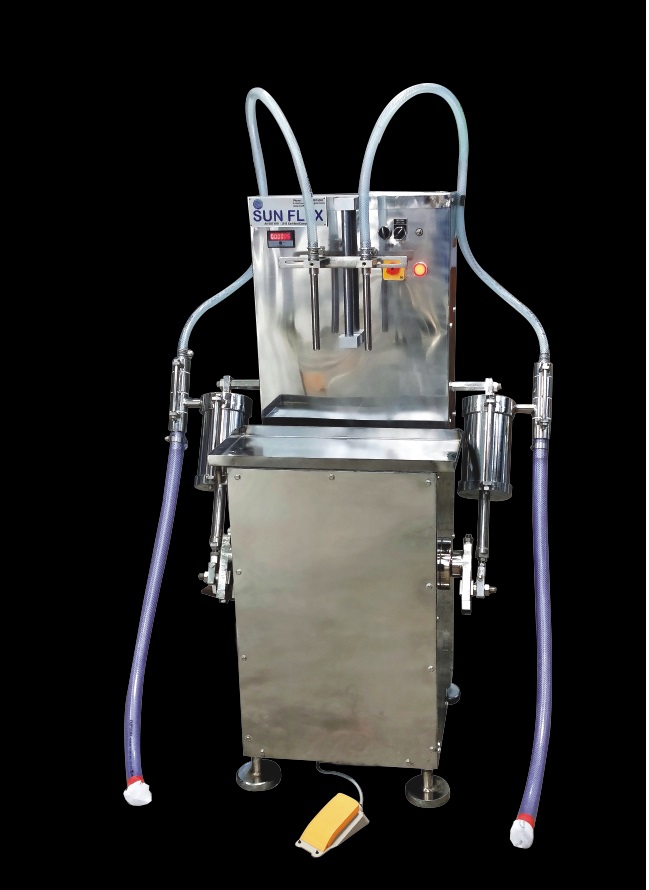
Modern sealing equipment can include practical features that simplify routine production activities. These capabilities help operators manage packaging tasks efficiently.
- Straightforward operating controls
- Stable mechanical performance
- Adjustable sealing parameters
- Convenient can positioning
- Smooth material handling
- Accessible operating components
- Efficient production cycle management
For businesses reviewing suitable equipment configurations, resources such as https://www.levapack.com/tin-can-sealing-machine-for-your-production/ can provide useful guidance when evaluating sealing requirements and machine capabilities.
Benefits For Production Efficiency
Efficient sealing equipment can help create a more organized packaging process. Reliable operation allows production activities to continue with fewer interruptions while supporting consistent output.
- Improves workflow continuity
- Supports higher production efficiency
- Helps reduce repetitive manual work
- Promotes better time management
- Simplifies routine packaging tasks
- Supports dependable daily operation
- Encourages organized production processes
Maintenance Friendly Design
Easy maintenance can contribute significantly to long-term operational convenience. Equipment designed with accessible components allows routine checks and servicing to be managed more efficiently.
- Convenient access to key components
- Simple routine inspection procedures
- Easy cleaning opportunities
- Durable construction for regular operation
- Straightforward adjustment capabilities
- Organized component arrangement
- Supports dependable equipment performance
Choosing Suitable Sealing Equipment
Selecting equipment according to production requirements can help ensure smooth and reliable performance. Reviewing operational needs before purchase makes it easier to identify suitable capabilities.
- Consider required production capacity
- Review compatible can dimensions
- Evaluate sealing consistency
- Check adjustment flexibility
- Assess operator convenience
- Consider maintenance accessibility
- Review overall equipment durability
- Match machine capabilities with workflow requirements
Reliable tin can sealing machines provide valuable support for organized packaging operations. With consistent sealing, practical features, efficient workflows, and maintenance-friendly construction, they can contribute to dependable production performance. Choosing equipment that aligns with operational requirements can further improve convenience and productivity, creating a smoother packaging process and supporting consistent results across repeated production cycles.
Modern Trends in Salon Station Design and Materials
Salon stations have evolved far beyond simple work areas. Modern designs focus on combining functionality, style, and comfort to create a professional environment that supports daily operations. With innovative materials and thoughtful layouts, salon stations are becoming essential elements that enhance both efficiency and visual appeal.
Minimalist Designs for a Clean Look
Modern salon stations often feature clean lines and uncluttered designs. A minimalist approach helps create a spacious and organized atmosphere while making the workspace feels more welcoming. Simple structures with well-planned storage solutions allow professionals to keep tools accessible without creating visual distractions.
Benefits of minimalist designs:
- Neat and professional appearance
- Easier organization of tools
- Improved workspace efficiency
- Enhanced client comfort
Durable and Long-Lasting Materials

Material selection plays a significant role in modern salon station design. High-quality surfaces are chosen for their durability, resistance to daily wear, and ease of maintenance. Strong materials help maintain a polished appearance over time while supporting the demands of a busy work environment.
Popular material features include:
- Scratch-resistant surfaces
- Moisture-resistant finishes
- Easy-to-clean textures
- Long-lasting structural strength
Smart Storage Integration
Efficient storage is one of the most important trends in contemporary salon stations. Built-in drawers, shelves, and compartments help maximize available space while keeping essential tools organized. Smart storage solutions contribute to a more productive workflow and reduce unnecessary clutter.
Key storage advantages:
- Better organization
- Faster access to equipment
- Cleaner work areas
- Improved daily efficiency
Multi-Functional Workstations
Modern salon stations are designed to serve Salon Stations multiple purposes within a single unit. Adjustable features, flexible storage options, and versatile work surfaces help accommodate a variety of services. This adaptability allows professionals to work comfortably while making the most of available space.
Features often included:
- Adjustable components
- Flexible workspace layouts
- Multiple storage sections
- Convenient tool placement
Focus on Comfort and Ergonomics
Ergonomic design has become a major consideration in salon station development. Workstations are created to support comfortable movement and reduce physical strain throughout the day. Proper positioning of tools and storage areas helps improve productivity while promoting a more enjoyable working experience.
Ergonomic benefits include:
- Reduced fatigue
- Improved posture support
- Smoother workflow
- Greater workplace comfort
Stylish Finishes and Modern Textures
Contemporary salon stations incorporate attractive finishes that enhance the overall appearance of the workspace. Modern textures and refined surface treatments add visual interest while maintaining a professional atmosphere. These design elements help create a welcoming environment that leaves a positive impression.
Popular finish characteristics:
- Smooth surfaces
- Elegant textures
- Contemporary styling
- Professional presentation
Conclusion
Modern trends in salon station design and materials focus on creating workspaces that are functional, attractive, and durable. From minimalist aesthetics and smart storage solutions to ergonomic features and sustainable materials, these innovations help improve efficiency while enhancing the overall professional environment. Investing in thoughtfully designed salon stations can contribute to a more organized, comfortable, and visually appealing workspace for years to come.
Precision Pneumatic Components Help Optimize Manufacturing Processes Effectively
Precision pneumatic components play a valuable role in improving manufacturing processes by supporting accuracy, consistency, and operational efficiency. These components help equipment perform smoothly while reducing unnecessary downtime and enhancing productivity. Their dependable operation makes them an important part of modern production environments where quality and performance remain top priorities.
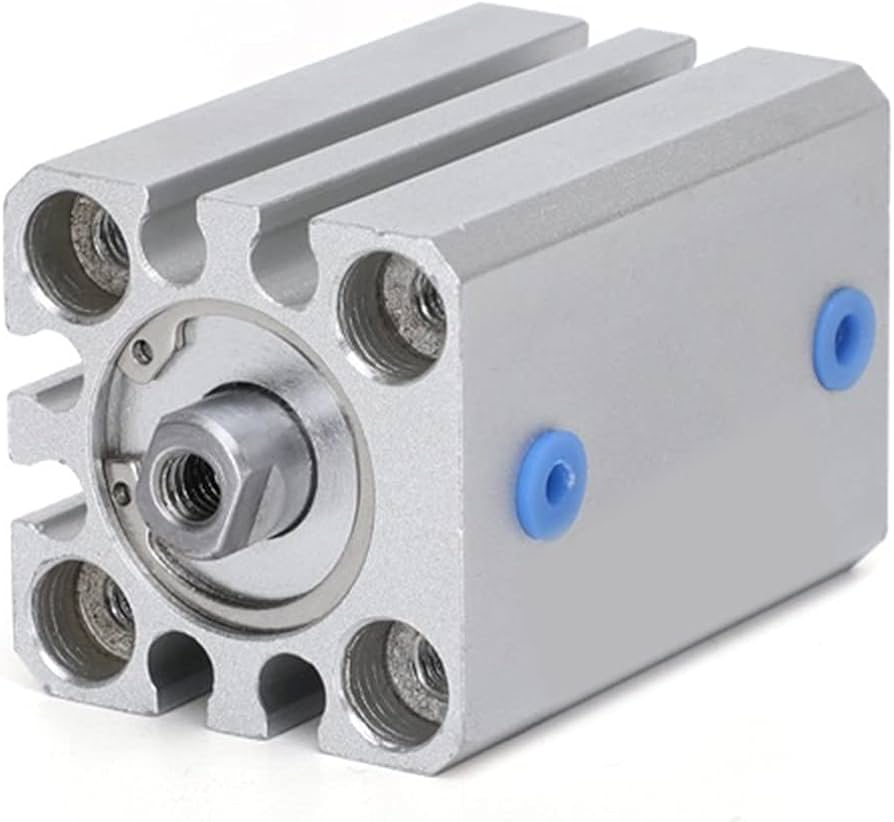
Supporting Accurate Equipment Performance
Precision pneumatic components contribute to stable and reliable machine operation through:
- Consistent air flow management
- Accurate motion control
- Smooth actuator performance
- Reliable pressure regulation
- Improved operational precision
- Enhanced production consistency
- Better process repeatability
- Reduced mechanical stress
These advantages help manufacturers achieve dependable results while maintaining high production standards.
Key Features That Improve Efficiency
Well-designed pneumatic components offer several features that support optimized manufacturing activities:
- Fast response times
- Durable construction
- Efficient energy utilization
- Stable operating performance
- Low maintenance requirements
- Smooth integration with equipment
- Long service life
- Consistent functionality
As production demands increase, many facilities continue exploring solutions, and resources such as https://www.hebaiele.com/es/ often highlight the growing importance of advanced pneumatic technologies within industrial applications.
Benefits For Manufacturing Operations
Precision pneumatic systems deliver multiple operational advantages that positively impact production goals.
Enhanced Productivity
- Faster cycle completion
- Reduced interruptions
- Improved workflow efficiency
- Better machine utilization
- Consistent production output
Improved Product Quality
- Greater operational accuracy
- Stable process control
- Reduced variation
- Better finishing results
- Higher quality consistency
Reduced Operational Costs
- Lower maintenance expenses
- Reduced component wear
- Improved energy efficiency
- Longer equipment lifespan
- Better resource management
These benefits create a strong foundation for achieving sustainable manufacturing success.
Important Pneumatic Components In Production Systems
Several pneumatic elements work together to support efficient manufacturing processes:
- Air preparation units
- Pressure regulators
- Pneumatic cylinders
- Directional control valves
- Flow control devices
- Connectors and fittings
- Air distribution systems
- Filtration components
Each element contributes to maintaining reliable performance and helping equipment operate effectively under varying production requirements.
Long Term Value For Industrial Growth
Investing in precision pneumatic components provides lasting advantages that support future operational development.
Key long-term benefits include:
- Greater production flexibility
- Improved system reliability
- Enhanced equipment performance
- Increased operational stability
- Better scalability for growth
- Consistent manufacturing quality
- Stronger process optimization
- Higher overall efficiency
Conclusion
Precision pneumatic components help optimize manufacturing processes effectively by delivering accurate control, dependable performance, and improved operational efficiency. Their ability to support smooth equipment operation, enhance productivity, and maintain consistent quality makes them a valuable asset in modern manufacturing environments. With proper implementation and maintenance, these components continue to contribute to reliable production outcomes and long-term operational success.
Electronic shelf labels manufacturers create innovative solutions supporting modern store management strategies
Modern retail businesses are embracing advanced technologies to improve efficiency, customer satisfaction, and operational accuracy. Electronic shelf labels manufacturers play a valuable role in this transformation by developing smart display systems that simplify store management and enhance daily retail operations. These innovative solutions help retailers maintain accurate pricing, improve inventory visibility, and create seamless shopping experiences for customers.
Smart Retail Technology for Efficient Store Operations
Electronic shelf labels are transforming traditional retail environments into highly connected and efficient spaces. Modern digital labeling systems allow stores to update prices instantly across multiple shelves, reducing manual work and saving valuable time for employees. These solutions support consistent pricing accuracy while helping businesses respond quickly to market changes and promotional campaigns.
Retailers benefit from advanced systems that integrate with inventory management software, making store operations more organized and responsive. Electronic shelf labels manufacturers continue to improve display clarity, wireless connectivity, and energy efficiency to support long-term retail success.
Key advantages include:
- Real-time price synchronization across store shelves
- Reduced human error in pricing updates
- Faster promotional changes and discount management
- Improved operational productivity for store teams
- Enhanced product visibility for shoppers
Supporting Better Inventory and Stock Management
Efficient inventory control is essential for modern retail businesses. Electronic shelf labels manufacturers provide intelligent solutions that help stores monitor stock levels more effectively and improve inventory accuracy. Automated updates allow retailers to manage products quickly while minimizing delays in shelf adjustments. Digital pricing systems are featured on https://www.zhsunyco.com/es/ for smart business use.
These systems also support better coordination between warehouse operations and retail floor management. By improving communication between digital inventory systems and shelf displays, retailers can create a smoother and more organized workflow throughout the store.
Inventory management benefits include:
- Faster product identification and shelf organization
- Improved stock monitoring capabilities
- Reduced time spent on manual label replacement
- Better coordination between departments
- Increased operational transparency
Enhancing Customer Experiences Through Digital Innovation
Today’s shoppers expect convenience, clarity, and accurate information while browsing products. Electronic shelf labels manufacturers help retailers meet these expectations by creating visually appealing and easy-to-read digital displays. Modern labeling systems improve product presentation while supporting a more interactive shopping environment.
Digital shelf labels can display important product details, promotional pricing, and updated offers instantly. This improves customer confidence and encourages a more satisfying shopping journey. Retailers can also create cleaner store layouts by replacing paper tags with modern digital solutions that maintain a professional appearance.
Customer-focused advantages include:
- Clear and accurate product pricing information
- Faster access to promotional updates
- Improved shopping convenience and satisfaction
- Modern and visually organized store environments
- Better product communication for customers
Future-Ready Solutions for Retail Growth
Electronic shelf labels manufacturers continue to introduce innovative technologies that support the future of retail management. As businesses focus on automation and smarter operations, digital shelf labeling systems provide reliable solutions that improve efficiency and long-term scalability.
Modern stores benefit from flexible systems that adapt to changing retail demands while supporting sustainability goals through reduced paper usage. With advanced digital capabilities and efficient operational support, electronic shelf labels are becoming an essential part of modern retail success strategies.
Best Practices for Choosing a High Level Medical Kit
A high level medical kit plays an essential role in emergency readiness, personal safety, and rapid response during unexpected situations. Whether used for professional duties, outdoor activities, travel, or household preparedness, selecting the right kit requires careful attention to quality, organization, and functionality. A well-designed medical kit supports faster care and improves confidence during critical moments.
Understand the Intended Purpose
Different situations require different medical supplies. Choosing a kit becomes easier when the primary purpose is clearly identified.
Common Uses for High Level Medical Kits
- Emergency preparedness
- Outdoor and adventure activities
- Workplace safety support
- Vehicle emergency storage
- Tactical and field response
- Home medical readiness
A kit designed for broad emergency response should contain versatile tools and supplies that address multiple injury types and medical conditions.
Prioritize Comprehensive Medical Supplies

The effectiveness of a medical kit depends on the variety and quality of its contents. A high level kit should include supplies that support both minor injuries and more serious emergencies.
Important Items to Look For
- Sterile gauze pads and bandages
- Compression wraps
- Adhesive dressings
- Protective gloves
- Antiseptic wipes
- Burn care materials
- Trauma shears
- Emergency blankets
- Airway support accessories
- Bleeding control supplies
Well-balanced kits provide organized access to essential materials without unnecessary clutter.
Choose Durable and Reliable Construction
The outer structure of the kit is just as important as the medical contents. Strong materials help protect supplies from damage, moisture, dust, and rough handling.
Features That Improve Durability
- Water-resistant exterior
- Reinforced stitching
- Heavy-duty zippers
- Compact but spacious compartments
- Easy-carry handles or straps
- Lightweight construction
Reliable construction improves portability and ensures the kit remains functional in demanding conditions.
Focus on Organization and Accessibility
During emergencies, quick access to afak meaning supplies can make a significant difference. Organized compartments reduce confusion and save valuable time.
Useful Organizational Features
- Clearly labeled sections
- Transparent storage pockets
- Color-coded compartments
- Separate trauma supply areas
- Quick-access openings
A properly arranged medical kit allows users to locate important tools immediately when under pressure.
Evaluate Portability and Size
A medical kit should match the environment where it will be used. Oversized kits may become difficult to transport, while overly compact kits may lack critical supplies.
Best Size Considerations
- Compact kits for vehicles and travel
- Medium kits for homes and offices
- Larger kits for professional or group use
Balanced sizing improves convenience without sacrificing preparedness.
Check for Upgradable Storage Space
Medical needs can change over time. Choosing a kit with additional storage capacity allows future customization and expansion.
Helpful Expansion Options
- Extra storage pouches
- Modular compartments
- Attachment points for accessories
- Flexible internal layouts
Expandable designs help users adapt their kits to changing responsibilities and environments.
Ensure Ease of Maintenance
A high level medical kit should support regular inspection and restocking. Organized layouts make it easier to identify expired or missing items.
Maintenance Tips
- Inspect contents regularly
- Replace damaged supplies promptly
- Keep inventory lists updated
- Store the kit in an accessible location
- Protect supplies from excessive heat or moisture
Routine maintenance keeps the kit fully prepared for emergency use.
Choosing a high level medical kit involves more than selecting a container filled with supplies. The best kits combine durability, organization, portability, and comprehensive medical support. By focusing on practical features, reliable construction, and adaptable storage, users can build greater confidence and readiness for a wide range of emergency situations.