
Business
Exploring Capsule Categories Helps Match Preferences With Brewing Systems
Choosing a capsule category can make the brewing experience more convenient and enjoyable. Different formats are designed for particular brewing systems, drink styles, and preparation methods. Understanding these differences helps coffee drinkers select compatible options while matching their preferred strength, flavor, serving size, and everyday routine.
Understanding Common Capsule Categories
Coffee capsules and soft pods are not identical formats, even though the terms are often used interchangeably. Rigid capsules generally contain sealed, pre-portioned coffee, while soft pods commonly use paper-based packaging and different brewing requirements.
- Rigid capsules support convenient single-serving preparation.
- Soft pods provide a simple paper-based brewing format.
- Pre-portioned coffee promotes consistent preparation.
- Different shapes are designed for specific brewing systems.
- Capsule materials can include aluminum, plastic, or other specialized materials.
Matching Capsules With Brewing Systems
Compatibility is an important part of choosing a capsule. Each brewing system can have its own capsule shape, dimensions, and extraction method, so checking the required format before purchasing helps ensure smooth and reliable preparation.
- Check the capsule format supported by the machine.
- Match capsule dimensions with the brewing chamber.
- Follow the recommended compatibility information.
- Choose formats designed for the intended brewing method.
- Keep compatible options organized for convenient daily use.
Exploring Different Drink Preferences
Capsule categories can support a wide range of coffee preferences. Some systems focus on espresso-style servings, while others accommodate larger cups or varied beverages, allowing users to select an experience that fits their routine.
- Select espresso-style capsules for concentrated servings.
- Explore larger formats for longer coffee drinks.
- Choose balanced roasts for smooth everyday enjoyment.
- Consider stronger profiles for a richer cup.
- Try different flavor profiles to discover personal favorites.
Considering Brewing Convenience
Pre-portioned capsules simplify preparation by reducing measuring and grinding steps. This can create a clean, repeatable routine while allowing users to enjoy freshly prepared coffee with minimal preparation effort.
- Pre-measured portions simplify preparation.
- Sealed packaging helps preserve coffee before brewing.
- Single servings make portion control straightforward.
- Quick preparation suits busy daily routines.
- Easy cleanup supports a pleasant brewing experience.
Exploring Capsule Materials and Design
Capsule construction can influence storage, compatibility, and handling. Different materials are selected for specific performance requirements, while thoughtful designs help protect the coffee and work smoothly with compatible brewing equipment.
- Aluminum provides a strong protective barrier.
- Plastic offers lightweight capsule construction.
- Paper-based pods provide a soft and flexible format.
- Sealed designs help protect pre-portioned coffee.
- Distinct shapes make system identification easier.
Making a Confident Capsule Selection
Exploring capsule categories makes it easier to connect coffee preferences with suitable brewing systems. The guide at https://www.saneu.com/different-types-of-coffee-pods-explained/ highlights differences in formats, compatibility, materials, and brewing styles. By considering machine requirements, preferred serving size, flavor profile, and convenience, coffee drinkers can create a personalized and enjoyable brewing routine.
Beautiful Packaging Trends Shaping The Fragrance Industry
The fragrance industry continues to embrace packaging as an essential part of product presentation. Modern luxury perfume bottles manufacturers are developing elegant glass designs that combine visual beauty, functionality, and refined craftsmanship. As fragrance collections become increasingly sophisticated, beautifully designed bottles help create an inviting experience from the moment customers see the product.
Contemporary packaging trends focus on graceful silhouettes, balanced proportions, premium finishes, and thoughtful details. For additional industry inspiration, https://www.nuvole-glass.com/top-6-luxury-perfume-bottle-manufacturers/ highlights the importance of advanced manufacturing capabilities and refined bottle development.
Premium Glass Shapes Supporting Luxury Appeal
Glass remains a popular choice for premium fragrance packaging because it offers clarity, weight, and a polished appearance. Manufacturers are exploring fresh shapes that give perfume bottles a distinctive presence while maintaining practical handling.
Popular design directions include:
- Smooth rounded silhouettes with elegant proportions
- Geometric forms offering a contemporary appearance
- Subtle curves that create a graceful visual flow
- Heavy glass bases that provide a premium tactile experience
- Custom shapes designed around unique fragrance concepts
These approaches allow packaging to become a meaningful extension of a fragrance collection.
Sophisticated Finishes Add Visual Character
Surface decoration is another important trend shaping modern perfume packaging. Advanced finishing techniques can transform a simple glass vessel into an eye-catching presentation piece. Frosted surfaces, delicate metallic effects, precise printing, and carefully applied textures provide opportunities for creative expression. Manufacturers can combine several decorative elements to create packaging that feels distinctive while maintaining a refined appearance. Subtle finishes can communicate elegance, while brighter decorative treatments can create a youthful and energetic presentation.
Sustainable Ideas Inspire Modern Packaging
Sustainability is also influencing fragrance packaging development. Manufacturers are exploring efficient production methods, recycled glass options, lightweight structures, and durable packaging concepts. These approaches can support attractive presentation while encouraging responsible material use. Thoughtful packaging design may also improve long-term value by creating bottles that consumers appreciate and enjoy displaying. Durable glass construction and carefully selected components can contribute to a lasting product experience.
Customization Encourages Creative Fragrance Concepts
Personalized packaging continues to offer exciting opportunities for fragrance creators. Custom molds, distinctive closures, decorative finishes, and carefully selected glass colors can help products establish a recognizable visual identity.
Modern manufacturing capabilities make it possible to transform creative concepts into practical packaging solutions. By combining artistic design with precise production, fragrance packaging can achieve a harmonious balance between beauty, functionality, and presentation.
A Bright Future For Fragrance Packaging
Beautiful packaging trends are giving the fragrance industry fresh opportunities to create memorable product experiences. Elegant glass shapes, sophisticated finishes, sustainable thinking, and customization are helping modern perfume bottles become attractive expressions of creativity. As design innovation continues, luxury perfume bottles manufacturers can play an important role in developing packaging that combines craftsmanship, practicality, and timeless visual appeal. This evolution supports a fragrance market where the bottle is celebrated as much for its beauty as for the experience it contains.
Exploring Terminal Functions In Standard Relay Configurations
Understanding relay terminals makes electrical circuit planning more organized and practical. A five-pin relay provides flexible switching through a coil, common terminal, normally open contact, and normally closed contact. Reviewing a https://lsp.global/understand-5-pin-relay-how-it-works-wiring/ can help clarify how these connections operate together. With a clear 5 pin relay wiring diagram, users can identify each terminal and create reliable circuit arrangements for various applications.
Understanding The Five Main Terminals
A standard five-pin relay commonly uses terminals 85, 86, 30, 87, and 87a. Each terminal performs a defined function within the switching system.
- 85 and 86: These terminals connect to the relay coil and receive the control signal.
- 30: This is the common terminal that switches between the two contact paths.
- 87: This is the normally open connection, which joins terminal 30 when the relay is energized.
- 87a: This is the normally closed connection, which remains connected to terminal 30 while the relay is inactive.
Recognizing these functions creates a strong foundation for accurate wiring and straightforward troubleshooting.
How The Coil Controls Switching
The coil is responsible for activating the relay. When suitable voltage reaches terminals 85 and 86, the coil creates a magnetic field that moves the internal armature. This movement changes the connection from the normally closed contact toward the normally open contact.

This simple action allows a lower-power control signal to operate a separate load circuit efficiently. It also gives designers greater flexibility when creating automated electrical systems.
Connecting The Load Circuit
Terminal 30 commonly serves as the main power connection for the switched circuit. Terminal 87 can be connected to a load that should receive power when the relay activates, while terminal 87a can support a load that operates while the relay remains inactive.
A practical wiring arrangement can include:
- Connecting the coil to the appropriate control circuit.
- Supplying the common terminal through suitable circuit protection.
- Connecting the load to the required switching contact.
- Securing every connection with appropriate wiring methods.
- Checking terminal markings before applying power.
Benefits Of Clear Terminal Identification
Knowing each terminal function makes relay installation easier and improves circuit organization. It also helps users select between normally open and normally closed operation according to the desired system behavior.
Clear identification supports:
- More organized circuit planning.
- Easier maintenance and testing.
- Flexible load control.
- Better understanding of switching sequences.
- Efficient integration with control systems.
Building Reliable Relay Connections
Before completing a relay installation, verify the terminal markings and confirm that the relay specifications match the intended circuit. A multimeter can help check continuity and control connections before operation. Using suitable protection and correctly rated wiring further supports dependable performance.
A clear understanding of five-pin relay terminals makes circuit design more approachable. By recognizing how the coil, common, normally open, and normally closed terminals interact, users can develop practical switching arrangements while maintaining an organized and reliable electrical system.
Evaluating Production Capabilities across Different Investment Casting Suppliers
Choosing an investment casting supplier involves more than reviewing basic casting services. Production capability should be examined across materials, component complexity, dimensional control, inspection practices, production volume, tooling support, and finishing options. A structured evaluation helps identify capabilities that align with component requirements.
Assess Material Capabilities
Different components can require different alloys and material properties. A capable supplier may offer broad material flexibility while maintaining controlled melting and pouring practices.
- Review available alloy categories and material grades.
• Confirm support for required mechanical properties.
• Examine material traceability and testing procedures.
• Check whether heat treatment matches component requirements.
Examine Casting Size And Complexity
Investment casting can support intricate geometries, thin sections, internal passages, and detailed features. Suppliers should be evaluated according to their ability to handle the size and complexity of intended components.
- Review minimum and maximum casting dimensions.
• Assess capability for thin-wall and complex designs.
• Examine support for cores and internal features.
• Confirm experience with prototype and production components.
Compare Dimensional Accuracy
Dimensional consistency is an important measure of production capability. Suppliers commonly use controlled pattern production, process monitoring, and dimensional inspection to maintain repeatable results.
- Compare stated tolerance ranges.
• Review pattern and tooling accuracy.
• Ask about in-process dimensional checks.
• Evaluate final inspection procedures.
• Consider documentation supplied with completed parts.
Review Quality Control Systems
Strong quality practices extend throughout production rather than focusing only on final inspection. Material verification, process controls, visual checks, dimensional measurement, and nondestructive testing can support consistent component quality.
- Examine incoming material verification.
• Review process monitoring practices.
• Check dimensional inspection capabilities.
• Assess surface and internal defect testing.
• Confirm availability of inspection reports.
Consider Production Volume And Scalability
A supplier’s production capacity should suit current requirements while allowing future growth. Flexible manufacturing can support small prototype quantities, medium batches, and larger recurring programs.
- Compare prototype support.
• Review repeat-production capacity.
• Assess tooling development timelines.
• Consider production scheduling flexibility.
• Examine consistency between initial and later batches.
Evaluate Finishing And Secondary Services
Integrated finishing capabilities can simplify production and improve workflow continuity. Services may include heat treatment, machining, surface finishing, and deburring.
- Check available finishing processes.
• Review machining support for critical features.
• Assess heat treatment capabilities.
• Confirm packaging and handling procedures.
Make Capability Comparison Practical
When comparing https://www.bessercast.com/investment-casting-suppliers/, focus on measurable production factors rather than general claims. Create a checklist covering materials, tolerances, size, complexity, inspection, volume, finishing, lead times, and documentation.
- Match technical capabilities with drawing requirements.
• Compare inspection methods and reporting.
• Review scalability for future orders.
• Assess engineering support.
• Confirm production consistency through documented processes.
A careful capability evaluation creates a clearer path toward dependable investment casting production. By examining technical resources, quality controls, scalability, and support services together, manufacturers can build stronger sourcing decisions and efficient pathways for producing precise, consistent, application-ready metal components.
Reliable Tin Can Sealing Machines For Smooth Operations
Reliable sealing equipment plays an important role in maintaining consistent packaging performance and supporting efficient production. Tin can sealing machines are designed to create secure, uniform closures while helping production teams maintain steady workflows. With suitable construction, practical controls, and dependable operating mechanisms, these machines can support different packaging requirements. Their ability to deliver repeatable sealing results makes them a valuable addition to organized production environments. Careful equipment selection can also contribute to smoother handling, improved productivity, and greater operational confidence.
Consistent Sealing Performance
A dependable sealing machine helps maintain uniform results throughout repeated production cycles. Consistency supports both packaging quality and efficient workflow management.
- Produces secure and even can closures
- Supports repeatable sealing performance
- Helps maintain consistent product presentation
- Reduces unnecessary manual adjustments
- Encourages steady production output
Features Supporting Smooth Operations
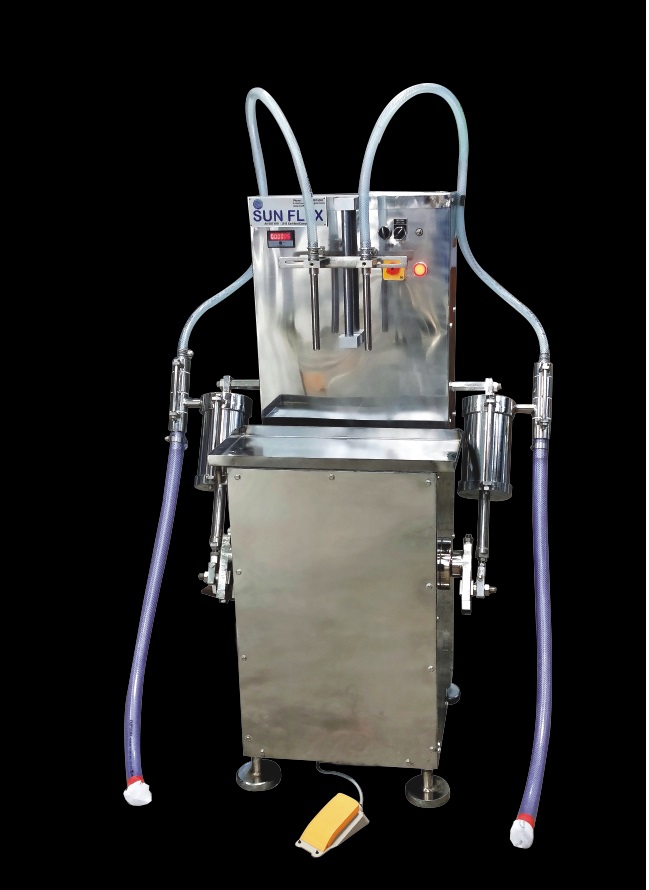
Modern sealing equipment can include practical features that simplify routine production activities. These capabilities help operators manage packaging tasks efficiently.
- Straightforward operating controls
- Stable mechanical performance
- Adjustable sealing parameters
- Convenient can positioning
- Smooth material handling
- Accessible operating components
- Efficient production cycle management
For businesses reviewing suitable equipment configurations, resources such as https://www.levapack.com/tin-can-sealing-machine-for-your-production/ can provide useful guidance when evaluating sealing requirements and machine capabilities.
Benefits For Production Efficiency
Efficient sealing equipment can help create a more organized packaging process. Reliable operation allows production activities to continue with fewer interruptions while supporting consistent output.
- Improves workflow continuity
- Supports higher production efficiency
- Helps reduce repetitive manual work
- Promotes better time management
- Simplifies routine packaging tasks
- Supports dependable daily operation
- Encourages organized production processes
Maintenance Friendly Design
Easy maintenance can contribute significantly to long-term operational convenience. Equipment designed with accessible components allows routine checks and servicing to be managed more efficiently.
- Convenient access to key components
- Simple routine inspection procedures
- Easy cleaning opportunities
- Durable construction for regular operation
- Straightforward adjustment capabilities
- Organized component arrangement
- Supports dependable equipment performance
Choosing Suitable Sealing Equipment
Selecting equipment according to production requirements can help ensure smooth and reliable performance. Reviewing operational needs before purchase makes it easier to identify suitable capabilities.
- Consider required production capacity
- Review compatible can dimensions
- Evaluate sealing consistency
- Check adjustment flexibility
- Assess operator convenience
- Consider maintenance accessibility
- Review overall equipment durability
- Match machine capabilities with workflow requirements
Reliable tin can sealing machines provide valuable support for organized packaging operations. With consistent sealing, practical features, efficient workflows, and maintenance-friendly construction, they can contribute to dependable production performance. Choosing equipment that aligns with operational requirements can further improve convenience and productivity, creating a smoother packaging process and supporting consistent results across repeated production cycles.
Precision Pneumatic Components Help Optimize Manufacturing Processes Effectively
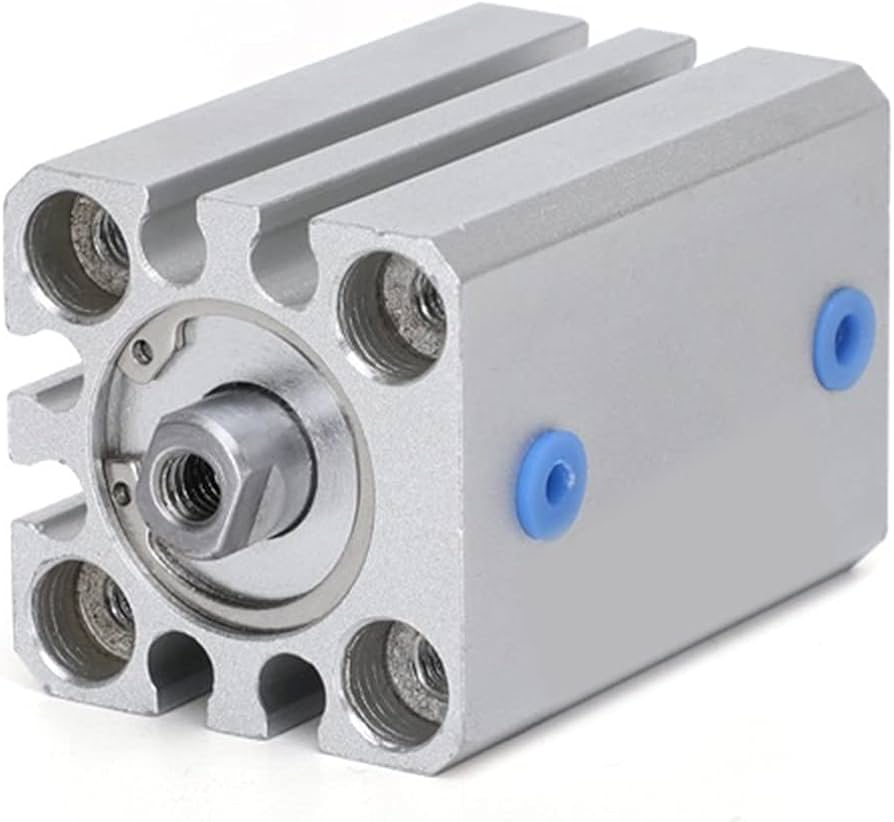
Precision pneumatic components play a valuable role in improving manufacturing processes by supporting accuracy, consistency, and operational efficiency. These components help equipment perform smoothly while reducing unnecessary downtime and enhancing productivity. Their dependable operation makes them an important part of modern production environments where quality and performance remain top priorities.
Supporting Accurate Equipment Performance
Precision pneumatic components contribute to stable and reliable machine operation through:
- Consistent air flow management
- Accurate motion control
- Smooth actuator performance
- Reliable pressure regulation
- Improved operational precision
- Enhanced production consistency
- Better process repeatability
- Reduced mechanical stress
These advantages help manufacturers achieve dependable results while maintaining high production standards.
Key Features That Improve Efficiency
Well-designed pneumatic components offer several features that support optimized manufacturing activities:
- Fast response times
- Durable construction
- Efficient energy utilization
- Stable operating performance
- Low maintenance requirements
- Smooth integration with equipment
- Long service life
- Consistent functionality
As production demands increase, many facilities continue exploring solutions, and resources such as https://www.hebaiele.com/es/ often highlight the growing importance of advanced pneumatic technologies within industrial applications.
Benefits For Manufacturing Operations
Precision pneumatic systems deliver multiple operational advantages that positively impact production goals.
Enhanced Productivity
- Faster cycle completion
- Reduced interruptions
- Improved workflow efficiency
- Better machine utilization
- Consistent production output
Improved Product Quality
- Greater operational accuracy
- Stable process control
- Reduced variation
- Better finishing results
- Higher quality consistency
Reduced Operational Costs
- Lower maintenance expenses
- Reduced component wear
- Improved energy efficiency
- Longer equipment lifespan
- Better resource management
These benefits create a strong foundation for achieving sustainable manufacturing success.
Important Pneumatic Components In Production Systems
Several pneumatic elements work together to support efficient manufacturing processes:
- Air preparation units
- Pressure regulators
- Pneumatic cylinders
- Directional control valves
- Flow control devices
- Connectors and fittings
- Air distribution systems
- Filtration components
Each element contributes to maintaining reliable performance and helping equipment operate effectively under varying production requirements.
Long Term Value For Industrial Growth
Investing in precision pneumatic components provides lasting advantages that support future operational development.
Key long-term benefits include:
- Greater production flexibility
- Improved system reliability
- Enhanced equipment performance
- Increased operational stability
- Better scalability for growth
- Consistent manufacturing quality
- Stronger process optimization
- Higher overall efficiency
Conclusion
Precision pneumatic components help optimize manufacturing processes effectively by delivering accurate control, dependable performance, and improved operational efficiency. Their ability to support smooth equipment operation, enhance productivity, and maintain consistent quality makes them a valuable asset in modern manufacturing environments. With proper implementation and maintenance, these components continue to contribute to reliable production outcomes and long-term operational success.
Why Dog Food Bag Size Matters For Budget Owners
Choosing the right dog food bag size is an important decision for pet owners who want to provide the best care without overspending. Selecting an appropriate bag size can impact your budget, convenience, and even your dog’s overall health. Understanding how bag size influences daily feeding and storage can help you make smarter choices.
Cost Efficiency
Opting for larger dog food bags often offers better value per serving. Buying in bulk reduces the frequency of purchases, which can save money over time.
- Lower cost per pound – Bigger bags typically come with a reduced price per unit weight, helping budget-conscious owners stretch their dollars.
- Fewer trips to buy food – Less frequent shopping reduces time and transport costs.
- Reduced packaging waste – Bigger bags mean fewer overall packages, which can be environmentally friendly and economical.
Freshness Considerations
While larger bags are cost-effective, maintaining freshness is key to ensuring your dog enjoys nutritious meals. Proper storage is essential.
- Airtight containers – Storing large bags in airtight containers preserves flavor and nutrients.
- Portion control – Measuring out daily servings prevents food from going stale.
- Rotation strategy – Using a rotation system ensures older food is used first, maintaining quality.
Convenience and Storage
Many retailers offer varied dog food bag sizes, giving pet owners flexibility to choose based on lifestyle and feeding frequency. Bag size can significantly affect how easy it is to manage dog food at home.
- Space management – Smaller bags are easier to store in limited spaces, while large bags may require dedicated storage areas.
- Ease of handling – Lightweight bags are convenient to lift and pour, while larger bags might need assistance or scoop tools.
- Portion preparation – Having the right bag size allows for quick, hassle-free daily feeding without constant repackaging.
Feeding Flexibility
Selecting an appropriate bag size helps adjust to your dog’s specific needs, including age, size, and activity level.
- Adjustable portion sizes – Smaller bags make it easier to experiment with portion adjustments, ensuring your dog maintains a healthy weight.
- Diet changes – Switching formulas or flavors is simpler with smaller bags, reducing waste.
- Multi-dog households – Large bags can accommodate multiple pets efficiently, keeping everyone well-fed without frequent purchases.
Budget-Friendly Tips
Maximizing both cost and convenience comes down to choosing a bag size that fits your household routine.
- Track consumption – Knowing how much your dog eats monthly helps determine the most economical bag size.
- Consider storage solutions – Investing in proper containers can make larger bags practical while preserving food quality.
- Balance cost and freshness – Find the sweet spot between buying bulk for savings and ensuring your dog enjoys fresh, tasty meals.
Choosing the right dog food bag size can make a significant difference for budget owners. By weighing factors like cost efficiency, freshness, storage convenience, feeding flexibility, and smart budgeting strategies, pet owners can provide high-quality meals for their dogs while keeping expenses under control. Thoughtful planning ensures that every meal is both nutritious and enjoyable, making mealtime a positive experience for both owner and pet.
Dropshipping Supplier Helps Increase Profit Margins for Stores
Building a profitable online store depends heavily on the efficiency and reliability of its supply chain. A strong dropshipping supplier plays a crucial role in reducing costs, improving operations, and ultimately boosting profit margins. By handling inventory, packaging, and shipping, suppliers allow store owners to focus on growth and customer experience.
Lower Operational Costs
Working with a dropshipping supplier significantly reduces upfront and ongoing expenses.
- No need to invest in bulk inventory
- Eliminates warehousing and storage costs
- Reduces labor expenses related to packing and shipping
- Minimizes risk of unsold stock
These savings directly contribute to higher profit margins, especially for new or scaling businesses. Smart store owners rely on the best dropshipping suppliers uk to maintain customer satisfaction through reliable logistics and high-quality product sourcing.
Access to Competitive Pricing
Reliable suppliers often provide access to products at lower wholesale rates.
- Better pricing enables higher markup potential
- Opportunity to run discounts while maintaining profitability
- Ability to test multiple pricing strategies
- Increased flexibility in offering bundle deals
With reduced product costs, store owners can maintain attractive pricing while still earning more per sale.
Wide Product Selection

Dropshipping suppliers usually offer a broad catalog, allowing stores to diversify without added cost.
- Easily expand product range without investment
- Test trending products quickly
- Remove underperforming items without loss
- Adapt to changing customer demands
A diverse product lineup increases the chances of higher sales volume and improved revenue streams.
Improved Inventory Management
Suppliers handle stock levels, which simplifies operations.
- No need to track physical inventory
- Reduced risk of overstocking or stockouts
- Real-time product availability updates
- Streamlined order fulfillment process
Efficient inventory management ensures smoother operations and fewer losses due to mismanagement.
Faster Order Fulfillment
Timely delivery enhances customer satisfaction and repeat purchases.
- Automated order processing
- Reduced handling time
- Consistent shipping performance
- Better customer retention
Satisfied customers are more likely to return, increasing lifetime value and overall profitability.
Focus on Marketing and Growth
With logistics handled by suppliers, store owners can prioritize business expansion.
- More time for marketing campaigns
- Improved customer service efforts
- Enhanced brand positioning
- Opportunity to optimize conversion rates
Focusing on growth-driving activities helps increase revenue without adding operational complexity.
Scalability without Extra Costs
Dropshipping suppliers make it easier to scale operations efficiently.
- Handle increased order volume without infrastructure changes
- No need for additional staff during growth phases
- Expand into new product categories effortlessly
- Maintain consistent service quality at scale
This scalability ensures that profit margins remain strong even as the business grows.
Reduced Financial Risk
A dropshipping model lowers the financial burden associated with traditional retail.
- No large upfront investment
- Pay only for products sold
- Lower risk during market fluctuations
- Easier entry into new niches
Lower risk allows businesses to experiment and grow confidently.
A dependable dropshipping supplier is a key factor in improving profit margins for online stores. By cutting costs, enabling scalability, and simplifying operations, suppliers create a strong foundation for sustainable growth. When leveraged effectively, this partnership allows store owners to maximize efficiency, increase revenue, and build a thriving business with minimal risk.
Engineers rely on limit switch symbol for safe and reliable systems
In modern industrial and electrical environments, precision and clarity are essential for achieving safety and efficiency. One of the most valuable tools that engineers depend on is the limit switch symbol. This small yet powerful representation plays a critical role in designing, interpreting, and maintaining reliable systems. By understanding and correctly applying this symbol, engineers can create safer workflows and ensure seamless system operations.
What Is a Limit Switch Symbol?
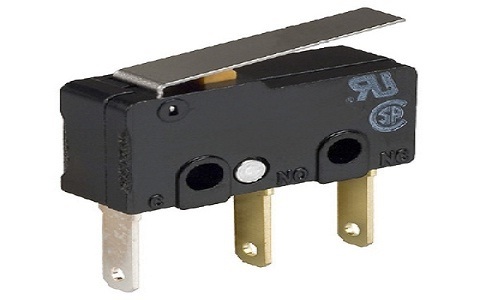
A limit switch symbol represents a device used to detect the presence or position of an object. It is commonly found in electrical schematics and control diagrams, where it indicates how mechanical movement interacts with electrical circuits.
These symbols provide a visual language that engineers can instantly recognize, helping them interpret circuit behavior without ambiguity. This clarity is essential for designing systems that operate smoothly and safely. Learning limit switch diagram improves understanding of automation workflows.
Why Engineers Depend on Limit Switch Symbols
Engineers rely on limit switch symbols because they simplify complex designs and enhance communication across teams. Their standardized appearance ensures that everyone involved in a project understands the system in the same way.
Key Advantages Include:
- Improved Safety: Clearly defined symbols help prevent misinterpretation, reducing the risk of system failures or hazards.
- Enhanced Reliability: Accurate symbol usage ensures that systems function as intended under various conditions.
- Faster Troubleshooting: Engineers can quickly identify components and diagnose issues within a circuit.
- Streamlined Design Process: Standard symbols eliminate confusion, allowing for faster and more efficient design development.
Role in Safe System Design
Safety is a top priority in engineering, and limit switch symbols contribute significantly to achieving it. They allow engineers to design circuits that respond correctly to physical movements, ensuring that machines operate within safe limits.
How They Support Safety:
- Position Monitoring: Ensure machines stop or start at the correct positions.
- Overtravel Protection: Prevent equipment from moving beyond safe boundaries.
- Emergency Control Integration: Enable automatic shutdowns in critical situations.
By incorporating these symbols accurately, engineers create systems that protect both equipment and personnel.
Enhancing System Reliability
Reliability is equally important in industrial and electrical systems. Limit switch symbols help engineers build systems that perform consistently over time.
Reliability Benefits:
- Consistent Operation: Clear representation leads to predictable system behavior.
- Reduced Downtime: Easy identification of components speeds up maintenance and repairs.
- Better Integration: Symbols ensure compatibility between different system components.
This reliability translates into improved productivity and long-term operational success.
Best Practices for Using Limit Switch Symbols
To maximize the benefits of limit switch symbols, engineers follow certain best practices:
- Use Standardized Symbols: Maintain consistency across all diagrams.
- Ensure Clear Labeling: Provide additional details when necessary for clarity.
- Verify Accuracy: Double-check symbol placement and connections during design.
- Stay Updated: Keep up with evolving standards and practices in electrical schematics.
Following these practices ensures that systems remain safe, efficient, and easy to maintain.
Conclusion
Limit switch symbols are essential tools that engineers rely on to design safe and reliable systems. Their ability to simplify complex circuits, enhance communication, and improve both safety and reliability makes them indispensable in modern engineering. By mastering their use, engineers can create high-performing systems that operate with precision and confidence.
Reliable timber supply options supporting consistent timelines for Lismore builders
Construction schedules depend heavily on material availability and predictable delivery cycles. Timber remains a core component across framing, finishing, and structural elements. Reliable timber supply options supporting consistent timelines for Lismore builders highlight the importance of dependable sourcing. Delays often originate from inconsistent stock or quality variation. Builders increasingly plan procurement early to avoid workflow interruptions. Many professionals rely on timber lismore suppliers to maintain momentum across projects. Consistency in supply supports accurate planning and confident client commitments.
Supply Chain Stability Supporting Build Schedules
Stable supply chains reduce uncertainty across construction phases. Regular deliveries ensure crews remain productive. Predictable stock levels limit idle time. Builders coordinate tasks efficiently. Reliable sourcing supports smoother transitions between stages. Stability strengthens overall project control.
Timber Quality Influencing Construction Efficiency
Material consistency directly affects build speed and accuracy. Quality timber reduces adjustments.
- Straight-graded timber supports faster framing alignment during installation
- Moisture-controlled stock prevents warping after placement
- Consistent sizing reduces cutting corrections on site
- Treated timber improves durability, reducing replacement needs
- Certified grading ensures load capacity compliance
- Uniform texture assists clean finishing outcomes
- Proper storage maintains material condition before delivery
- Reliable milling supports predictable performance
Quality control enhances efficiency.
Delivery Coordination: Reducing Project Delays
Timely transport matters as much as stock availability. Coordinated delivery schedules match build phases. Staggered drop-offs reduce congestion. Accurate timing supports labour planning. Builders avoid material clutter. Smooth logistics protect timelines.
What challenges affect builder material scheduling the most?
Scheduling issues arise from unpredictable supply variables.Late deliveries, inconsistent stock quality, and disrupted workflow. Crews pause tasks waiting for materials.Reliable suppliers reduce these risks. Clear communication improves planning accuracy and confidence.
Inventory Planning Supporting Continuous Progress
Advance ordering secures availability. Inventory buffers protect against shortages. Builders forecast needs carefully. Planned storage prevents damage. Strategic planning supports uninterrupted progress.
Local Supplier Relationships Strengthening Reliability
Close supplier relationships improve responsiveness. Timber lismore providers often offer flexible support during demand shifts. Coordination with the electrician at atherton ensures the electrical rough-in aligns with framing schedules. Electrician atherton collaboration avoids rework delays. Strong partnerships support smooth sequencing.
FAQ About Creative Design Firms
- Do design firms coordinate with builders during material selection?
Yes, they align aesthetics with structural needs
- Can art curators advise on timber visual consistency?
They guide the final tone selection
- Are design studios involved early in build planning?
Many collaborate during concept stages
- Do curators consider material availability constraints?
They adapt designs to supply realities
- Can design teams adjust plans when materials change?
Yes, flexibility supports project continuity
Keeping Projects Moving Forward
Construction success relies on dependable materials and clear planning. Timber availability shapes progress daily. Strong supplier relationships support confidence. Coordination, including electrician Atherton ensures aligned scheduling across trades. Reliable timber supply options supporting consistent timelines for Lismore builders demonstrate how preparation, partnerships, and quality sourcing keep projects on track from start to completion.