
Best Practices for Choosing a High Level Medical Kit
A high level medical kit plays an essential role in emergency readiness, personal safety, and rapid response during unexpected situations. Whether used for professional duties, outdoor activities, travel, or household preparedness, selecting the right kit requires careful attention to quality, organization, and functionality. A well-designed medical kit supports faster care and improves confidence during critical moments.
Understand the Intended Purpose
Different situations require different medical supplies. Choosing a kit becomes easier when the primary purpose is clearly identified.
Common Uses for High Level Medical Kits
- Emergency preparedness
- Outdoor and adventure activities
- Workplace safety support
- Vehicle emergency storage
- Tactical and field response
- Home medical readiness
A kit designed for broad emergency response should contain versatile tools and supplies that address multiple injury types and medical conditions.
Prioritize Comprehensive Medical Supplies
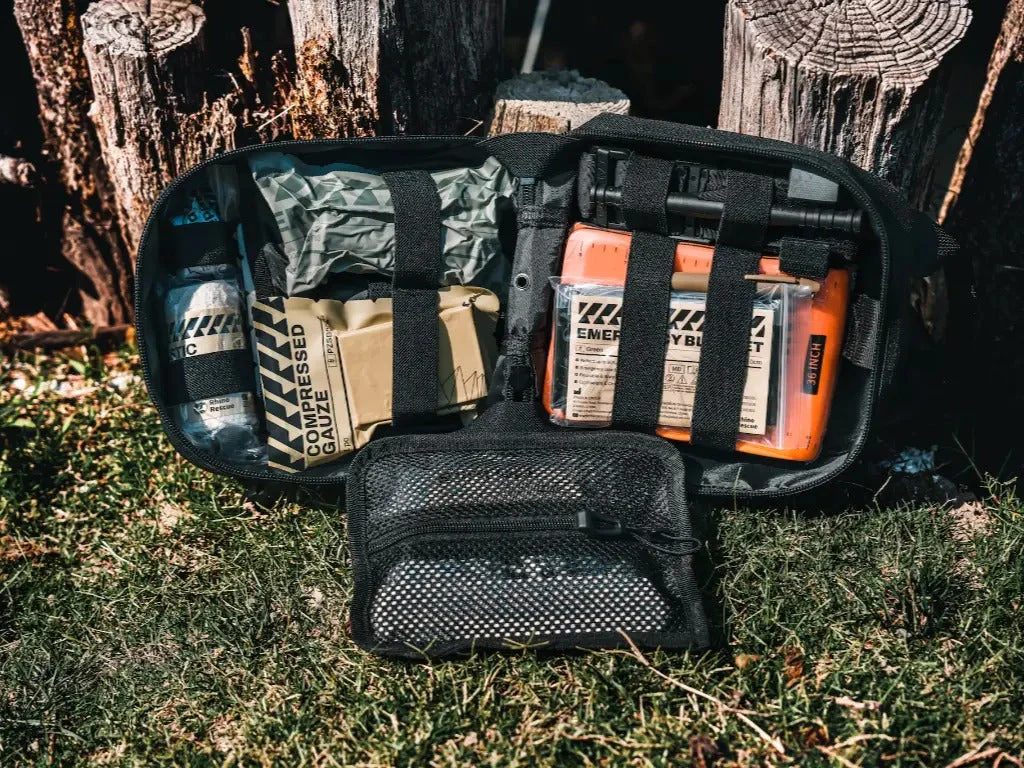
The effectiveness of a medical kit depends on the variety and quality of its contents. A high level kit should include supplies that support both minor injuries and more serious emergencies.
Important Items to Look For
- Sterile gauze pads and bandages
- Compression wraps
- Adhesive dressings
- Protective gloves
- Antiseptic wipes
- Burn care materials
- Trauma shears
- Emergency blankets
- Airway support accessories
- Bleeding control supplies
Well-balanced kits provide organized access to essential materials without unnecessary clutter.
Choose Durable and Reliable Construction
The outer structure of the kit is just as important as the medical contents. Strong materials help protect supplies from damage, moisture, dust, and rough handling.
Features That Improve Durability
- Water-resistant exterior
- Reinforced stitching
- Heavy-duty zippers
- Compact but spacious compartments
- Easy-carry handles or straps
- Lightweight construction
Reliable construction improves portability and ensures the kit remains functional in demanding conditions.
Focus on Organization and Accessibility
During emergencies, quick access to afak meaning supplies can make a significant difference. Organized compartments reduce confusion and save valuable time.
Useful Organizational Features
- Clearly labeled sections
- Transparent storage pockets
- Color-coded compartments
- Separate trauma supply areas
- Quick-access openings
A properly arranged medical kit allows users to locate important tools immediately when under pressure.
Evaluate Portability and Size
A medical kit should match the environment where it will be used. Oversized kits may become difficult to transport, while overly compact kits may lack critical supplies.
Best Size Considerations
- Compact kits for vehicles and travel
- Medium kits for homes and offices
- Larger kits for professional or group use
Balanced sizing improves convenience without sacrificing preparedness.
Check for Upgradable Storage Space
Medical needs can change over time. Choosing a kit with additional storage capacity allows future customization and expansion.
Helpful Expansion Options
- Extra storage pouches
- Modular compartments
- Attachment points for accessories
- Flexible internal layouts
Expandable designs help users adapt their kits to changing responsibilities and environments.
Ensure Ease of Maintenance
A high level medical kit should support regular inspection and restocking. Organized layouts make it easier to identify expired or missing items.
Maintenance Tips
- Inspect contents regularly
- Replace damaged supplies promptly
- Keep inventory lists updated
- Store the kit in an accessible location
- Protect supplies from excessive heat or moisture
Routine maintenance keeps the kit fully prepared for emergency use.
Choosing a high level medical kit involves more than selecting a container filled with supplies. The best kits combine durability, organization, portability, and comprehensive medical support. By focusing on practical features, reliable construction, and adaptable storage, users can build greater confidence and readiness for a wide range of emergency situations.


