
June 2026
Modern Trends in Salon Station Design and Materials
Salon stations have evolved far beyond simple work areas. Modern designs focus on combining functionality, style, and comfort to create a professional environment that supports daily operations. With innovative materials and thoughtful layouts, salon stations are becoming essential elements that enhance both efficiency and visual appeal.
Minimalist Designs for a Clean Look
Modern salon stations often feature clean lines and uncluttered designs. A minimalist approach helps create a spacious and organized atmosphere while making the workspace feels more welcoming. Simple structures with well-planned storage solutions allow professionals to keep tools accessible without creating visual distractions.
Benefits of minimalist designs:
- Neat and professional appearance
- Easier organization of tools
- Improved workspace efficiency
- Enhanced client comfort
Durable and Long-Lasting Materials

Material selection plays a significant role in modern salon station design. High-quality surfaces are chosen for their durability, resistance to daily wear, and ease of maintenance. Strong materials help maintain a polished appearance over time while supporting the demands of a busy work environment.
Popular material features include:
- Scratch-resistant surfaces
- Moisture-resistant finishes
- Easy-to-clean textures
- Long-lasting structural strength
Smart Storage Integration
Efficient storage is one of the most important trends in contemporary salon stations. Built-in drawers, shelves, and compartments help maximize available space while keeping essential tools organized. Smart storage solutions contribute to a more productive workflow and reduce unnecessary clutter.
Key storage advantages:
- Better organization
- Faster access to equipment
- Cleaner work areas
- Improved daily efficiency
Multi-Functional Workstations
Modern salon stations are designed to serve Salon Stations multiple purposes within a single unit. Adjustable features, flexible storage options, and versatile work surfaces help accommodate a variety of services. This adaptability allows professionals to work comfortably while making the most of available space.
Features often included:
- Adjustable components
- Flexible workspace layouts
- Multiple storage sections
- Convenient tool placement
Focus on Comfort and Ergonomics
Ergonomic design has become a major consideration in salon station development. Workstations are created to support comfortable movement and reduce physical strain throughout the day. Proper positioning of tools and storage areas helps improve productivity while promoting a more enjoyable working experience.
Ergonomic benefits include:
- Reduced fatigue
- Improved posture support
- Smoother workflow
- Greater workplace comfort
Stylish Finishes and Modern Textures
Contemporary salon stations incorporate attractive finishes that enhance the overall appearance of the workspace. Modern textures and refined surface treatments add visual interest while maintaining a professional atmosphere. These design elements help create a welcoming environment that leaves a positive impression.
Popular finish characteristics:
- Smooth surfaces
- Elegant textures
- Contemporary styling
- Professional presentation
Conclusion
Modern trends in salon station design and materials focus on creating workspaces that are functional, attractive, and durable. From minimalist aesthetics and smart storage solutions to ergonomic features and sustainable materials, these innovations help improve efficiency while enhancing the overall professional environment. Investing in thoughtfully designed salon stations can contribute to a more organized, comfortable, and visually appealing workspace for years to come.
Precision Pneumatic Components Help Optimize Manufacturing Processes Effectively
Precision pneumatic components play a valuable role in improving manufacturing processes by supporting accuracy, consistency, and operational efficiency. These components help equipment perform smoothly while reducing unnecessary downtime and enhancing productivity. Their dependable operation makes them an important part of modern production environments where quality and performance remain top priorities.
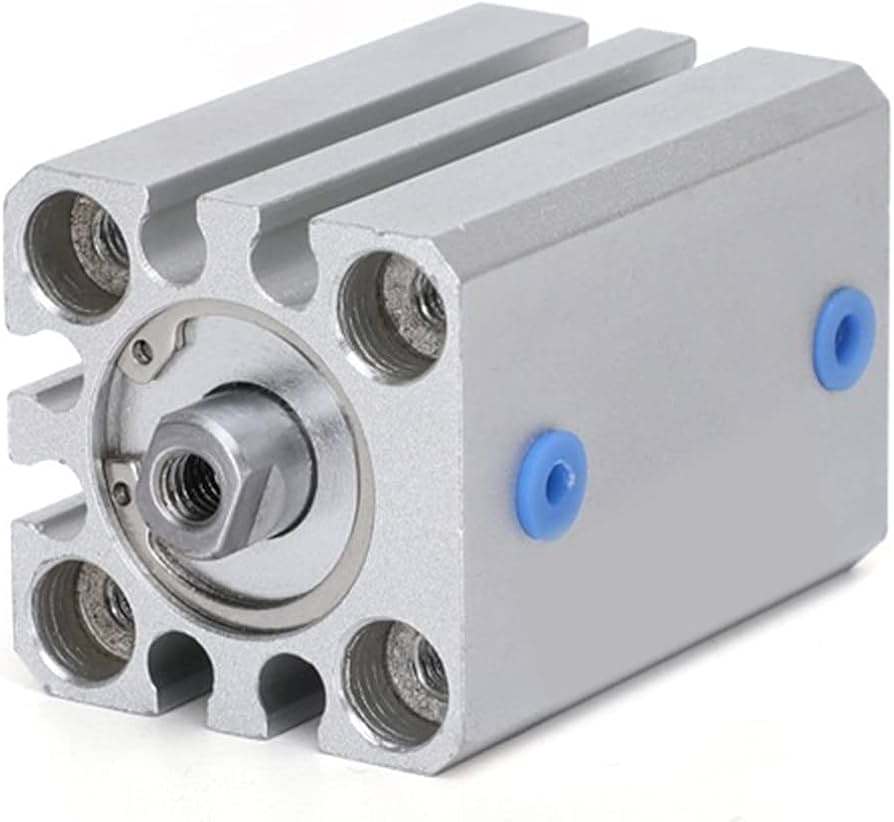
Supporting Accurate Equipment Performance
Precision pneumatic components contribute to stable and reliable machine operation through:
- Consistent air flow management
- Accurate motion control
- Smooth actuator performance
- Reliable pressure regulation
- Improved operational precision
- Enhanced production consistency
- Better process repeatability
- Reduced mechanical stress
These advantages help manufacturers achieve dependable results while maintaining high production standards.
Key Features That Improve Efficiency
Well-designed pneumatic components offer several features that support optimized manufacturing activities:
- Fast response times
- Durable construction
- Efficient energy utilization
- Stable operating performance
- Low maintenance requirements
- Smooth integration with equipment
- Long service life
- Consistent functionality
As production demands increase, many facilities continue exploring solutions, and resources such as https://www.hebaiele.com/es/ often highlight the growing importance of advanced pneumatic technologies within industrial applications.
Benefits For Manufacturing Operations
Precision pneumatic systems deliver multiple operational advantages that positively impact production goals.
Enhanced Productivity
- Faster cycle completion
- Reduced interruptions
- Improved workflow efficiency
- Better machine utilization
- Consistent production output
Improved Product Quality
- Greater operational accuracy
- Stable process control
- Reduced variation
- Better finishing results
- Higher quality consistency
Reduced Operational Costs
- Lower maintenance expenses
- Reduced component wear
- Improved energy efficiency
- Longer equipment lifespan
- Better resource management
These benefits create a strong foundation for achieving sustainable manufacturing success.
Important Pneumatic Components In Production Systems
Several pneumatic elements work together to support efficient manufacturing processes:
- Air preparation units
- Pressure regulators
- Pneumatic cylinders
- Directional control valves
- Flow control devices
- Connectors and fittings
- Air distribution systems
- Filtration components
Each element contributes to maintaining reliable performance and helping equipment operate effectively under varying production requirements.
Long Term Value For Industrial Growth
Investing in precision pneumatic components provides lasting advantages that support future operational development.
Key long-term benefits include:
- Greater production flexibility
- Improved system reliability
- Enhanced equipment performance
- Increased operational stability
- Better scalability for growth
- Consistent manufacturing quality
- Stronger process optimization
- Higher overall efficiency
Conclusion
Precision pneumatic components help optimize manufacturing processes effectively by delivering accurate control, dependable performance, and improved operational efficiency. Their ability to support smooth equipment operation, enhance productivity, and maintain consistent quality makes them a valuable asset in modern manufacturing environments. With proper implementation and maintenance, these components continue to contribute to reliable production outcomes and long-term operational success.