
September 2026
Custom Container Production Enhances Visual Appeal And Functionality
Custom container production creates opportunities to combine attractive design with practical performance. Thoughtful choices in shape, capacity, surface treatment, closure compatibility, and material can help containers deliver an appealing presentation while supporting convenient everyday use.
Create Distinctive Container Shapes
Custom production allows designers to develop container profiles that complement the character of the contents. Carefully planned proportions can create an appealing silhouette while supporting comfortable handling and stable placement.
- Develop distinctive silhouettes
- Adjust proportions for visual balance
- Create comfortable gripping surfaces
- Design stable bases for secure placement
- Match shapes with intended applications
Enhance Surface Appearance
Surface treatments can transform a simple container into an attractive presentation piece. Finishing options can introduce refined textures, subtle colors, frosted effects, or polished details that enrich the overall appearance.
- Apply smooth and refined finishes
- Introduce attractive color effects
- Create frosted or textured surfaces
- Add carefully positioned decorative details
- Coordinate finishes with the container design
Improve Functional Performance
Effective customization considers functionality alongside appearance. Container dimensions, openings, neck finishes, and closure systems can be developed together to support convenient filling, dispensing, handling, and storage.
- Select suitable container capacities
- Support convenient filling processes
- Provide compatible closure options
- Encourage secure sealing
- Make handling simple and comfortable
Support Consistent Production
Modern manufacturing methods can translate approved designs into repeatable container forms. Controlled production processes help maintain dimensional consistency and visual uniformity across larger quantities.
- Maintain consistent container dimensions
- Reproduce approved shapes accurately
- Support uniform surface quality
- Keep production stages coordinated
- Encourage dependable batch consistency
Expand Design Possibilities
Custom container development offers flexibility across different concepts and applications. From compact formats to distinctive profiles, designers can explore practical variations that provide both visual interest and useful functionality.
- Explore different capacities
- Adjust wall and base proportions
- Coordinate bottle and closure dimensions
- Develop specialized presentation styles
- Create cohesive container collections
For additional inspiration about fragrance container designs and available formats, https://www.daxinglassbottles.com/perfume-bottles/ provides a useful reference for exploring different bottle styles and presentation possibilities.
Combine Beauty With Convenience
A successful container should look appealing while remaining easy to use. Careful attention to proportions, openings, weight, and closure compatibility can create a balanced experience from first handling through regular use.
- Support comfortable everyday handling
- Make openings practical to access
- Maintain attractive proportions
- Coordinate components for smooth use
- Encourage convenient storage
Strengthen Product Presentation
Well-developed containers can contribute significantly to the visual identity of a finished product. Clear design direction and carefully selected details help create a polished appearance that attracts attention and communicates quality.
- Create a memorable visual impression
- Highlight the character of the contents
- Build consistency across container designs
- Use decorative details thoughtfully
- Present products with refined appeal
Deliver Flexible Packaging Solutions
Custom production brings design and functionality together through a coordinated development process. By balancing aesthetics, dimensions, usability, and production consistency, customized containers can provide an attractive and dependable packaging solution for diverse applications. Custom container production therefore offers a valuable way to unite visual appeal with practical performance. From distinctive shapes and refined finishes to convenient handling and consistent manufacturing, carefully developed containers can create a polished experience while supporting efficient and reliable product presentation.
Simple Guide To Comparing Material Capture Mechanisms
Understanding how materials capture unwanted substances becomes easier when adsorption and absorption are viewed as two distinct mechanisms. Both processes help materials take up gases, liquids, or dissolved substances, yet they work through different pathways. Adsorption primarily occurs at a material’s surface, while absorption involves movement into the material’s bulk.
Understanding Adsorbent Behavior
An adsorbent captures substances mainly through its accessible surface. Porous structures can provide extensive internal surface areas, creating numerous locations where molecules can gather. This makes surface characteristics, pore structure, and available area important when considering adsorption performance.
A helpful reference for comparing these concepts is https://www.jalonzeolite.com/adsorbent-vs-absorbent-differences/, which highlights the distinction between surface capture and material uptake.
Key characteristics include:
- Molecules gather on accessible surfaces.
- Porosity can increase available capture areas.
- Surface properties influence interaction with captured substances.
- Different materials can provide different levels of selectivity.
- Adsorption can support separation and purification processes.
Understanding Absorbent Behavior
Absorption works differently because the captured substance moves into the volume of the absorbing material. A familiar example is a sponge taking in water, where the liquid enters spaces throughout the material rather than remaining only on its surface. This bulk uptake mechanism makes internal structure and available volume important considerations.
Important features include:
- Substances penetrate into the material.
- Internal spaces support overall uptake.
- Liquid handling is a common application.
- Material structure can influence absorption capacity.
- Uptake can continue as available internal space remains.
Simple Ways To Compare The Two
A clear comparison becomes easier by focusing on where the captured substance goes. Adsorption is primarily surface-based, whereas absorption involves penetration throughout the material.
Consider these practical differences:
- Location: Adsorption concentrates substances at surfaces, while absorption distributes them within the bulk.
- Structure: Adsorption benefits strongly from surface area and pores, while absorption depends more on internal volume and pathways.
- Interaction: Adsorbed molecules remain associated with available surfaces, while absorbed substances enter the material.
- Applications: Adsorbents are useful for purification and separation, while absorbents are valuable for liquid uptake and material handling.
Choosing The Right Capture Concept
Recognizing the mechanism helps create clearer expectations about material performance. When surface interaction is the goal, an adsorbent can provide useful capture sites. When internal uptake is preferred, an absorbent can provide spaces for substances to enter.
This distinction also supports better communication when discussing filtration, moisture control, separation, cleanup, and other material-based processes. By identifying whether capture happens primarily on the surface or throughout the material, it becomes much easier to understand how each approach contributes to efficient substance management.
How Wide Are Pontoon Boats Designed For Family Outings
Pontoon boats are valued for their generous deck layouts, comfortable seating, and welcoming space for shared outings. Width, commonly called beam, plays an important role in creating that open feeling. Many recreational pontoons are around 8 to 8.5 feet wide, while some larger designs can extend toward 10 feet. For family use, this range can provide a useful balance between spaciousness, stability, and practical handling.
Key width benefits include:
- More usable deck space
- Comfortable passenger seating
- Easier movement between seats
- Room for family activities
- Greater layout flexibility
A wider deck can make everyday movement feel less crowded, especially when several passengers are relaxing, preparing refreshments, or moving between seating areas. The actual interior space can be slightly narrower than the stated beam because beam measurements describe the boat at its widest point.
Matching Width With Passenger Capacity
Family outings often involve several passengers, so width should be considered alongside length and rated capacity. A medium-sized pontoon with a beam around 8 to 8.5 feet can provide a spacious platform for family cruising, swimming breaks, casual fishing, and relaxed social time. Larger designs may offer additional seating and storage when more people regularly join the outing.
Useful sizing considerations include:
- Number of regular passengers
- Seating arrangement
- Available deck area
- Storage requirements
- Movement between seats
- Intended onboard activities
A thoughtful combination of length and width helps create a balanced interior. More space can support flexible seating layouts, while sufficient length provides additional room for lounges, storage compartments, and activity areas.
Why Width Supports Family Comfort
The broad, stable platform is one of the defining strengths of pontoon design. A suitable beam can contribute to a reassuring feel while passengers move around the deck. This is particularly useful during family activities because people may naturally gather in different areas instead of remaining in one seating position.
Family-oriented advantages can include:
- Open walking areas
- Spacious lounge sections
- Convenient storage access
- Flexible seating zones
- Comfortable social spaces
- Better use of deck area
When reviewing dimensions, the guide on https://www.hiseadock.com/how-wide-is-a-pontoon-boat/ provides additional context about common pontoon widths and how beam measurements relate to practical ownership considerations.
Choosing A Practical Family Width
The ideal width depends on the family’s preferred activities and the boat’s overall dimensions. A compact design can be easier to manage, while a broader layout can provide more room for larger groups. Checking the exact specifications is important because widths and interior layouts vary between models.
Before choosing, families can compare:
- Overall beam measurement
- Interior deck width
- Passenger capacity rating
- Seating configuration
- Storage availability
- Trailer dimensions
- Docking requirements
A well-matched pontoon width can make family outings more comfortable, organized, and enjoyable. By considering beam together with length, seating, capacity, and storage, families can select a layout that supports relaxed cruising and memorable time together on the water.
Exploring Capsule Categories Helps Match Preferences With Brewing Systems
Choosing a capsule category can make the brewing experience more convenient and enjoyable. Different formats are designed for particular brewing systems, drink styles, and preparation methods. Understanding these differences helps coffee drinkers select compatible options while matching their preferred strength, flavor, serving size, and everyday routine.
Understanding Common Capsule Categories
Coffee capsules and soft pods are not identical formats, even though the terms are often used interchangeably. Rigid capsules generally contain sealed, pre-portioned coffee, while soft pods commonly use paper-based packaging and different brewing requirements.
- Rigid capsules support convenient single-serving preparation.
- Soft pods provide a simple paper-based brewing format.
- Pre-portioned coffee promotes consistent preparation.
- Different shapes are designed for specific brewing systems.
- Capsule materials can include aluminum, plastic, or other specialized materials.
Matching Capsules With Brewing Systems
Compatibility is an important part of choosing a capsule. Each brewing system can have its own capsule shape, dimensions, and extraction method, so checking the required format before purchasing helps ensure smooth and reliable preparation.
- Check the capsule format supported by the machine.
- Match capsule dimensions with the brewing chamber.
- Follow the recommended compatibility information.
- Choose formats designed for the intended brewing method.
- Keep compatible options organized for convenient daily use.
Exploring Different Drink Preferences
Capsule categories can support a wide range of coffee preferences. Some systems focus on espresso-style servings, while others accommodate larger cups or varied beverages, allowing users to select an experience that fits their routine.
- Select espresso-style capsules for concentrated servings.
- Explore larger formats for longer coffee drinks.
- Choose balanced roasts for smooth everyday enjoyment.
- Consider stronger profiles for a richer cup.
- Try different flavor profiles to discover personal favorites.
Considering Brewing Convenience
Pre-portioned capsules simplify preparation by reducing measuring and grinding steps. This can create a clean, repeatable routine while allowing users to enjoy freshly prepared coffee with minimal preparation effort.
- Pre-measured portions simplify preparation.
- Sealed packaging helps preserve coffee before brewing.
- Single servings make portion control straightforward.
- Quick preparation suits busy daily routines.
- Easy cleanup supports a pleasant brewing experience.
Exploring Capsule Materials and Design
Capsule construction can influence storage, compatibility, and handling. Different materials are selected for specific performance requirements, while thoughtful designs help protect the coffee and work smoothly with compatible brewing equipment.
- Aluminum provides a strong protective barrier.
- Plastic offers lightweight capsule construction.
- Paper-based pods provide a soft and flexible format.
- Sealed designs help protect pre-portioned coffee.
- Distinct shapes make system identification easier.
Making a Confident Capsule Selection
Exploring capsule categories makes it easier to connect coffee preferences with suitable brewing systems. The guide at https://www.saneu.com/different-types-of-coffee-pods-explained/ highlights differences in formats, compatibility, materials, and brewing styles. By considering machine requirements, preferred serving size, flavor profile, and convenience, coffee drinkers can create a personalized and enjoyable brewing routine.
Beautiful Packaging Trends Shaping The Fragrance Industry
The fragrance industry continues to embrace packaging as an essential part of product presentation. Modern luxury perfume bottles manufacturers are developing elegant glass designs that combine visual beauty, functionality, and refined craftsmanship. As fragrance collections become increasingly sophisticated, beautifully designed bottles help create an inviting experience from the moment customers see the product.
Contemporary packaging trends focus on graceful silhouettes, balanced proportions, premium finishes, and thoughtful details. For additional industry inspiration, https://www.nuvole-glass.com/top-6-luxury-perfume-bottle-manufacturers/ highlights the importance of advanced manufacturing capabilities and refined bottle development.
Premium Glass Shapes Supporting Luxury Appeal
Glass remains a popular choice for premium fragrance packaging because it offers clarity, weight, and a polished appearance. Manufacturers are exploring fresh shapes that give perfume bottles a distinctive presence while maintaining practical handling.
Popular design directions include:
- Smooth rounded silhouettes with elegant proportions
- Geometric forms offering a contemporary appearance
- Subtle curves that create a graceful visual flow
- Heavy glass bases that provide a premium tactile experience
- Custom shapes designed around unique fragrance concepts
These approaches allow packaging to become a meaningful extension of a fragrance collection.
Sophisticated Finishes Add Visual Character
Surface decoration is another important trend shaping modern perfume packaging. Advanced finishing techniques can transform a simple glass vessel into an eye-catching presentation piece. Frosted surfaces, delicate metallic effects, precise printing, and carefully applied textures provide opportunities for creative expression. Manufacturers can combine several decorative elements to create packaging that feels distinctive while maintaining a refined appearance. Subtle finishes can communicate elegance, while brighter decorative treatments can create a youthful and energetic presentation.
Sustainable Ideas Inspire Modern Packaging
Sustainability is also influencing fragrance packaging development. Manufacturers are exploring efficient production methods, recycled glass options, lightweight structures, and durable packaging concepts. These approaches can support attractive presentation while encouraging responsible material use. Thoughtful packaging design may also improve long-term value by creating bottles that consumers appreciate and enjoy displaying. Durable glass construction and carefully selected components can contribute to a lasting product experience.
Customization Encourages Creative Fragrance Concepts
Personalized packaging continues to offer exciting opportunities for fragrance creators. Custom molds, distinctive closures, decorative finishes, and carefully selected glass colors can help products establish a recognizable visual identity.
Modern manufacturing capabilities make it possible to transform creative concepts into practical packaging solutions. By combining artistic design with precise production, fragrance packaging can achieve a harmonious balance between beauty, functionality, and presentation.
A Bright Future For Fragrance Packaging
Beautiful packaging trends are giving the fragrance industry fresh opportunities to create memorable product experiences. Elegant glass shapes, sophisticated finishes, sustainable thinking, and customization are helping modern perfume bottles become attractive expressions of creativity. As design innovation continues, luxury perfume bottles manufacturers can play an important role in developing packaging that combines craftsmanship, practicality, and timeless visual appeal. This evolution supports a fragrance market where the bottle is celebrated as much for its beauty as for the experience it contains.
Exploring Terminal Functions In Standard Relay Configurations
Understanding relay terminals makes electrical circuit planning more organized and practical. A five-pin relay provides flexible switching through a coil, common terminal, normally open contact, and normally closed contact. Reviewing a https://lsp.global/understand-5-pin-relay-how-it-works-wiring/ can help clarify how these connections operate together. With a clear 5 pin relay wiring diagram, users can identify each terminal and create reliable circuit arrangements for various applications.
Understanding The Five Main Terminals
A standard five-pin relay commonly uses terminals 85, 86, 30, 87, and 87a. Each terminal performs a defined function within the switching system.
- 85 and 86: These terminals connect to the relay coil and receive the control signal.
- 30: This is the common terminal that switches between the two contact paths.
- 87: This is the normally open connection, which joins terminal 30 when the relay is energized.
- 87a: This is the normally closed connection, which remains connected to terminal 30 while the relay is inactive.
Recognizing these functions creates a strong foundation for accurate wiring and straightforward troubleshooting.
How The Coil Controls Switching
The coil is responsible for activating the relay. When suitable voltage reaches terminals 85 and 86, the coil creates a magnetic field that moves the internal armature. This movement changes the connection from the normally closed contact toward the normally open contact.

This simple action allows a lower-power control signal to operate a separate load circuit efficiently. It also gives designers greater flexibility when creating automated electrical systems.
Connecting The Load Circuit
Terminal 30 commonly serves as the main power connection for the switched circuit. Terminal 87 can be connected to a load that should receive power when the relay activates, while terminal 87a can support a load that operates while the relay remains inactive.
A practical wiring arrangement can include:
- Connecting the coil to the appropriate control circuit.
- Supplying the common terminal through suitable circuit protection.
- Connecting the load to the required switching contact.
- Securing every connection with appropriate wiring methods.
- Checking terminal markings before applying power.
Benefits Of Clear Terminal Identification
Knowing each terminal function makes relay installation easier and improves circuit organization. It also helps users select between normally open and normally closed operation according to the desired system behavior.
Clear identification supports:
- More organized circuit planning.
- Easier maintenance and testing.
- Flexible load control.
- Better understanding of switching sequences.
- Efficient integration with control systems.
Building Reliable Relay Connections
Before completing a relay installation, verify the terminal markings and confirm that the relay specifications match the intended circuit. A multimeter can help check continuity and control connections before operation. Using suitable protection and correctly rated wiring further supports dependable performance.
A clear understanding of five-pin relay terminals makes circuit design more approachable. By recognizing how the coil, common, normally open, and normally closed terminals interact, users can develop practical switching arrangements while maintaining an organized and reliable electrical system.
Evaluating Production Capabilities across Different Investment Casting Suppliers
Choosing an investment casting supplier involves more than reviewing basic casting services. Production capability should be examined across materials, component complexity, dimensional control, inspection practices, production volume, tooling support, and finishing options. A structured evaluation helps identify capabilities that align with component requirements.
Assess Material Capabilities
Different components can require different alloys and material properties. A capable supplier may offer broad material flexibility while maintaining controlled melting and pouring practices.
- Review available alloy categories and material grades.
• Confirm support for required mechanical properties.
• Examine material traceability and testing procedures.
• Check whether heat treatment matches component requirements.
Examine Casting Size And Complexity
Investment casting can support intricate geometries, thin sections, internal passages, and detailed features. Suppliers should be evaluated according to their ability to handle the size and complexity of intended components.
- Review minimum and maximum casting dimensions.
• Assess capability for thin-wall and complex designs.
• Examine support for cores and internal features.
• Confirm experience with prototype and production components.
Compare Dimensional Accuracy
Dimensional consistency is an important measure of production capability. Suppliers commonly use controlled pattern production, process monitoring, and dimensional inspection to maintain repeatable results.
- Compare stated tolerance ranges.
• Review pattern and tooling accuracy.
• Ask about in-process dimensional checks.
• Evaluate final inspection procedures.
• Consider documentation supplied with completed parts.
Review Quality Control Systems
Strong quality practices extend throughout production rather than focusing only on final inspection. Material verification, process controls, visual checks, dimensional measurement, and nondestructive testing can support consistent component quality.
- Examine incoming material verification.
• Review process monitoring practices.
• Check dimensional inspection capabilities.
• Assess surface and internal defect testing.
• Confirm availability of inspection reports.
Consider Production Volume And Scalability
A supplier’s production capacity should suit current requirements while allowing future growth. Flexible manufacturing can support small prototype quantities, medium batches, and larger recurring programs.
- Compare prototype support.
• Review repeat-production capacity.
• Assess tooling development timelines.
• Consider production scheduling flexibility.
• Examine consistency between initial and later batches.
Evaluate Finishing And Secondary Services
Integrated finishing capabilities can simplify production and improve workflow continuity. Services may include heat treatment, machining, surface finishing, and deburring.
- Check available finishing processes.
• Review machining support for critical features.
• Assess heat treatment capabilities.
• Confirm packaging and handling procedures.
Make Capability Comparison Practical
When comparing https://www.bessercast.com/investment-casting-suppliers/, focus on measurable production factors rather than general claims. Create a checklist covering materials, tolerances, size, complexity, inspection, volume, finishing, lead times, and documentation.
- Match technical capabilities with drawing requirements.
• Compare inspection methods and reporting.
• Review scalability for future orders.
• Assess engineering support.
• Confirm production consistency through documented processes.
A careful capability evaluation creates a clearer path toward dependable investment casting production. By examining technical resources, quality controls, scalability, and support services together, manufacturers can build stronger sourcing decisions and efficient pathways for producing precise, consistent, application-ready metal components.
Reliable Tin Can Sealing Machines For Smooth Operations
Reliable sealing equipment plays an important role in maintaining consistent packaging performance and supporting efficient production. Tin can sealing machines are designed to create secure, uniform closures while helping production teams maintain steady workflows. With suitable construction, practical controls, and dependable operating mechanisms, these machines can support different packaging requirements. Their ability to deliver repeatable sealing results makes them a valuable addition to organized production environments. Careful equipment selection can also contribute to smoother handling, improved productivity, and greater operational confidence.
Consistent Sealing Performance
A dependable sealing machine helps maintain uniform results throughout repeated production cycles. Consistency supports both packaging quality and efficient workflow management.
- Produces secure and even can closures
- Supports repeatable sealing performance
- Helps maintain consistent product presentation
- Reduces unnecessary manual adjustments
- Encourages steady production output
Features Supporting Smooth Operations
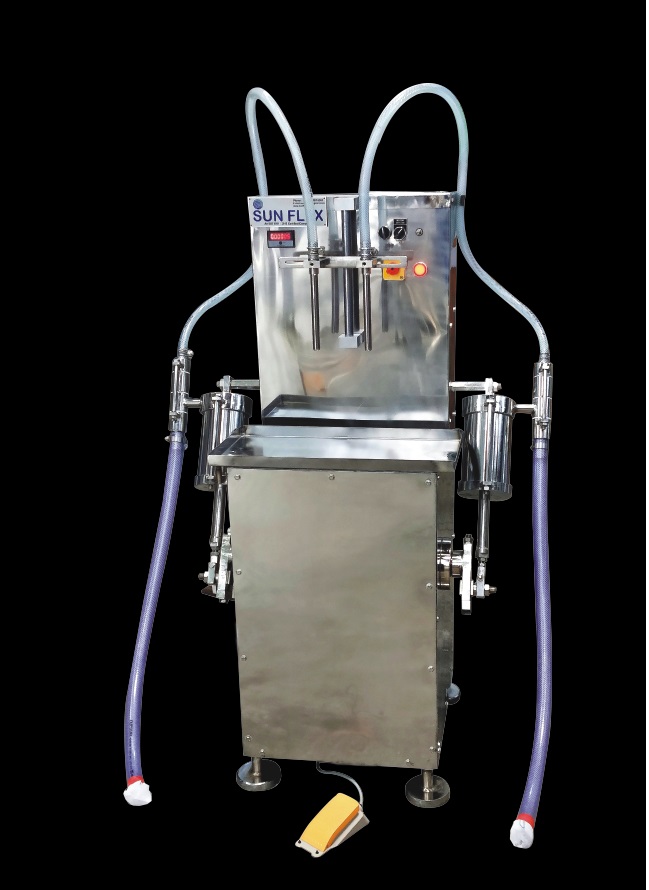
Modern sealing equipment can include practical features that simplify routine production activities. These capabilities help operators manage packaging tasks efficiently.
- Straightforward operating controls
- Stable mechanical performance
- Adjustable sealing parameters
- Convenient can positioning
- Smooth material handling
- Accessible operating components
- Efficient production cycle management
For businesses reviewing suitable equipment configurations, resources such as https://www.levapack.com/tin-can-sealing-machine-for-your-production/ can provide useful guidance when evaluating sealing requirements and machine capabilities.
Benefits For Production Efficiency
Efficient sealing equipment can help create a more organized packaging process. Reliable operation allows production activities to continue with fewer interruptions while supporting consistent output.
- Improves workflow continuity
- Supports higher production efficiency
- Helps reduce repetitive manual work
- Promotes better time management
- Simplifies routine packaging tasks
- Supports dependable daily operation
- Encourages organized production processes
Maintenance Friendly Design
Easy maintenance can contribute significantly to long-term operational convenience. Equipment designed with accessible components allows routine checks and servicing to be managed more efficiently.
- Convenient access to key components
- Simple routine inspection procedures
- Easy cleaning opportunities
- Durable construction for regular operation
- Straightforward adjustment capabilities
- Organized component arrangement
- Supports dependable equipment performance
Choosing Suitable Sealing Equipment
Selecting equipment according to production requirements can help ensure smooth and reliable performance. Reviewing operational needs before purchase makes it easier to identify suitable capabilities.
- Consider required production capacity
- Review compatible can dimensions
- Evaluate sealing consistency
- Check adjustment flexibility
- Assess operator convenience
- Consider maintenance accessibility
- Review overall equipment durability
- Match machine capabilities with workflow requirements
Reliable tin can sealing machines provide valuable support for organized packaging operations. With consistent sealing, practical features, efficient workflows, and maintenance-friendly construction, they can contribute to dependable production performance. Choosing equipment that aligns with operational requirements can further improve convenience and productivity, creating a smoother packaging process and supporting consistent results across repeated production cycles.