
November 2026
Balanced White And Yellow Lighting Encourages Eye Friendly Environments
Thoughtful lighting makes indoor spaces welcoming, practical, and comfortable. White and yellow light create different atmospheres, and combining them helps support daily activities. The right choice depends on room function, brightness, personal comfort, and natural light. Good lighting also helps each space feel thoughtfully arranged.
Understanding White And Yellow Light
White light creates a clear appearance that helps people notice details. Yellow light offers a warm glow that can make rooms feel calm. Neither is best for every situation; suitable brightness and balanced illumination matter most.
- White light helps make objects and work surfaces distinct.
- Yellow light creates a relaxed atmosphere in shared spaces.
- Adjustable brightness suits changing activities.
- Diffused fixtures spread light evenly.
- Personal preference contributes to visual comfort.
Creating Comfortable Spaces With Balanced Lighting
A thoughtful combination gives each area a useful character without making it harsh or dim. Layering general lighting with focused lamps can reduce strong contrasts between bright and dark areas.
- Use clear lighting for reading, cooking, and detailed tasks.
- Choose warm illumination for quiet evenings.
- Position lamps to prevent glare and reflections.
- Add task lighting where extra visibility is needed.
- Adjust brightness to suit the time of day.
Matching Light With Everyday Activities
Daily routines move between concentration and relaxation. Flexible lighting makes these transitions simple while keeping rooms functional. Natural daylight is also a valuable source of illumination whenever available.
- Study areas benefit from sufficient, even lighting.
- Kitchen counters need clear visibility for preparation.
- Living areas can combine white light and warm accents.
- Bedrooms often feel inviting with softer evening illumination.
- Hallways need consistent light for safe movement.
Supporting Visual Comfort With Sensible Habits
Eye comfort depends on more than bulb colour. Brightness, glare, contrast, viewing distance, and time spent on close-up tasks all influence comfort. A balanced setup works best alongside healthy habits.
- Select brightness that makes text easy to read.
- Keep light sources outside the direct line of sight.
- Reduce reflections on screens and glossy surfaces.
- Take breaks during extended reading or screen use.
- Welcome daylight while managing strong direct sunlight.
Making Informed Lighting Choices
Reliable guidance can make lighting decisions easier. The resource https://www.wosenled.com/is-yellow-light-good-for-eyes/ discusses differences between warm and white illumination. Consider each room’s purpose, then choose a combination that offers clear visibility and a pleasant atmosphere.
- Try adjustable lamps for flexible lighting.
- Choose shades that soften concentrated brightness.
- Keep colour appearance consistent for detailed tasks.
- Review lighting at different times to spot glare.
- Select arrangements that suit everyday routines.
A Bright And Balanced Everyday Experience
White and yellow lighting complement one another when selected with care. Clear illumination supports focused activities, while warm tones create a restful mood. By choosing suitable brightness, reducing glare, and adapting light to each activity, indoor environments can feel comfortable, useful, and inviting. Thoughtful choices make every room more pleasant.
Versatile Converting Machines Supporting Multiple Packaging Applications
Packaging production continues to evolve as manufacturers seek flexible solutions that deliver consistent quality, efficient operations, and attractive finished products. Versatile converting machines play an important role in meeting these expectations by supporting different materials, formats, and production requirements. Their adaptable capabilities help businesses manage diverse packaging applications while maintaining smooth workflows and dependable output.
Adaptability Across Different Packaging Materials
Modern converting equipment is designed to handle a wide selection of materials, allowing production teams to respond to changing application requirements. This flexibility supports the creation of packaging products with different structures, dimensions, and functional properties.
Key material-related advantages include:
- Flexible film processing: Supports the production of lightweight packaging with reliable material handling.
- Paper conversion: Enables efficient processing for bags, wraps, labels, and protective packaging.
- Laminated material handling: Combines multiple layers to achieve improved durability and functionality.
- Specialty substrate compatibility: Accommodates different material characteristics for varied packaging purposes.
- Consistent material feeding: Maintains controlled movement throughout important production stages.
Improving Efficiency Through Advanced Functions
Efficient converting operations depend on accurate processing, coordinated machine functions, and reliable production speed. Integrated technologies help simplify multiple manufacturing activities while supporting consistent results across different packaging applications.
Important operational benefits include:
- Automated feeding systems that maintain steady material movement.
- Precision cutting mechanisms that produce accurate dimensions.
- Advanced sealing functions that support dependable packaging structures.
- Adjustable settings that accommodate different production specifications.
- Efficient winding and rewinding systems that improve material organization.
- Integrated monitoring features that support smooth machine operation.
These capabilities help reduce unnecessary handling and encourage better coordination between production stages.
Supporting Diverse Packaging Applications
Versatile machinery provides valuable flexibility for manufacturers working with different packaging formats. Its adaptable configuration makes it easier to manage changing product requirements without depending on entirely separate production arrangements. By incorporating suitable converting technologies, businesses can develop packaging solutions that combine practical performance with attractive presentation. Exploring advanced equipment capabilities through https://www.ketegroup.com/fr/ can also provide useful insight into modern converting possibilities.
Common applications include:
- Food packaging films designed for convenient storage and handling.
- Protective wraps that help maintain product condition.
- Flexible pouches with practical opening and sealing features.
- Paper-based packaging for everyday commercial applications.
- Industrial packaging materials designed for dependable protection.
- Laminated packaging structures that combine strength and functionality.
Enhancing Quality and Production Flexibility
Consistent quality remains an important consideration throughout packaging manufacturing. Modern converting machines incorporate precise controls and adaptable operating features that help maintain dependable output across different production requirements.
Additional advantages include:
- Accurate alignment for uniform finished products.
- Controlled processing that supports consistent material quality.
- Flexible production settings for different packaging dimensions.
- Reduced manual intervention through automated operations.
- Efficient equipment adjustments that simplify product changeovers.
- Reliable performance across repeated manufacturing cycles.
Building Smarter Packaging Operations
The continued development of converting technology creates valuable opportunities for improved productivity and manufacturing flexibility. Equipment that supports multiple applications helps production teams respond confidently to evolving packaging needs. By combining automation, precision, material compatibility, and adaptable configurations, manufacturers can establish efficient workflows while maintaining attractive product presentation. Investing in versatile converting capabilities also encourages responsible material utilization, consistent output, and long-term operational improvement across diverse packaging applications.
How Maltitol Compares With Other Common Sugar Replacers
Choosing a suitable sugar replacer can make a meaningful difference in food formulation, sweetness, texture, and overall product quality. Different alternatives offer distinct characteristics, making it important to understand how they perform in everyday food applications. Maltitol stands out because of its balanced sweetness, functional versatility, and ability to support appealing product textures. Comparing it with other common sugar replacers helps manufacturers identify suitable ingredients for their formulation goals.
Understanding Maltitol and Its Key Characteristics
Maltitol is a sugar alcohol commonly used in reduced-sugar and sugar-free food products. Its properties make it a practical ingredient for applications that require sweetness alongside desirable physical characteristics.
Some notable benefits include:
- Balanced Sweetness: Maltitol provides a sweetness level relatively close to regular sugar, supporting familiar flavour profiles.
- Smooth Texture: It contributes to pleasant mouthfeel in confectionery and bakery formulations.
- Low Sugar Content: It offers manufacturers an alternative ingredient for developing reduced-sugar products.
- Versatile Applications: It works well in chocolates, candies, chewing gums, and various baked goods.
- Functional Performance: Its bulk and texture-related properties help maintain product consistency.
Maltitol Compared With Erythritol
Erythritol is another widely used sugar alcohol with distinctive formulation properties. Both ingredients provide sweetness, but their functional characteristics differ.
- Maltitol offers a sweetness level closer to regular sugar.
- Erythritol generally provides less sweetness, making blending with other sweeteners useful.
- Maltitol contributes greater bulk in many formulations.
- Erythritol has a cooling sensation that can influence flavour perception.
- Both ingredients support the development of reduced-sugar food options.
These differences allow manufacturers to select ingredients according to their desired sweetness, texture, and finished product characteristics.
Comparing Maltitol With Xylitol and Sorbitol
Xylitol and sorbitol are popular alternatives that serve different purposes in food manufacturing. Maltitol offers several useful characteristics when compared with these ingredients.
- Xylitol: Provides sweetness comparable to sugar and is commonly incorporated into confectionery and chewing gum.
- Sorbitol: Offers moisture-retaining properties that make it useful in soft-textured products.
- Maltitol: Combines substantial sweetness with bulk, making it suitable for chocolate and bakery applications.
- Texture Considerations: Each ingredient influences consistency, moisture, and mouthfeel differently.
- Formulation Flexibility: Manufacturers can select individual ingredients or combine suitable alternatives to achieve specific product qualities.
Maltitol and High-Intensity Sweeteners
High-intensity sweeteners differ from sugar alcohols because they deliver sweetness in much smaller quantities. Maltitol provides both sweetness and physical bulk, which can be particularly useful when replacing sugar in complete recipes.
Important differences include:
- High-intensity sweeteners generally contribute minimal bulk.
- Maltitol supports the physical structure of various food products.
- Some formulations combine bulk sweeteners with high-intensity alternatives.
- Ingredient selection influences flavour balance and finished texture.
Understanding these distinctions is valuable, and additional information about formulation considerations and https://www.saigaoingredients.com/blogs/maltitol-side-effects/ can support informed ingredient selection.
Conclusion
Maltitol offers a versatile combination of sweetness, texture, and functional performance compared with other common sugar replacers. Each alternative has its own advantages, making formulation requirements an important consideration. By understanding their differences, manufacturers can develop appealing products with balanced sweetness, desirable consistency, and reliable quality while expanding opportunities for reduced-sugar food innovation.
Packaging Innovation Combining Practicality, Quality, and Sustainability
Packaging plays an important role in protecting products, improving presentation, and creating convenient experiences for consumers. Modern packaging innovation focuses on combining practical features with reliable quality and environmentally responsible materials. Thoughtful designs help businesses maintain product freshness, simplify handling, and support efficient storage. By bringing together functionality, durability, and sustainability, packaging solutions can meet everyday requirements while encouraging responsible product choices.
Practical Designs for Everyday Convenience
Practical packaging makes product handling easier for manufacturers, retailers, and consumers. Well-planned structures provide useful features that improve storage, transportation, and accessibility.
- Easy Handling: Lightweight packaging allows products to be carried, arranged, and distributed conveniently.
- Functional Shapes: Carefully designed dimensions support efficient stacking and organized storage.
- User-Friendly Features: Convenient openings, secure closures, and resealable options improve everyday usability.
- Flexible Applications: Different packaging formats accommodate various product sizes and requirements.
- Space Efficiency: Compact designs help maximize available storage and transportation capacity.
These practical improvements create smoother packaging experiences while maintaining an attractive and organized appearance.
Maintaining Quality Through Innovative Materials
Material selection directly influences packaging performance, product protection, and overall presentation. High-quality materials help preserve product condition while supporting consistent functionality.
- Reliable Protection: Strong structures help protect contents from external pressure and handling conditions.
- Freshness Support: Suitable barrier properties help maintain product quality during storage.
- Durable Construction: Carefully selected materials contribute to dependable packaging performance.
- Attractive Finishes: Smooth surfaces and refined textures improve visual appeal.
- Consistent Production: Quality-focused manufacturing supports uniform dimensions and dependable results.
Businesses exploring packaging possibilities can also review material options and design inspiration through resources such as https://www.yoonpak.com/de/ while considering suitable solutions for their requirements.
Sustainability as a Packaging Priority
Environmental responsibility has become an important consideration in packaging development. Innovative approaches encourage thoughtful material usage, efficient production, and improved disposal practices.
- Recyclable Materials: Suitable paper-based materials support recycling opportunities.
- Renewable Resources: Responsibly sourced materials contribute to resource-conscious packaging choices.
- Reduced Material Usage: Optimized designs help avoid unnecessary packaging components.
- Reusable Options: Durable formats can encourage repeated use where appropriate.
- Efficient Manufacturing: Responsible production methods help minimize material waste.
Combining these approaches allows packaging development to support environmental awareness without overlooking essential functional requirements.
Creating Balanced Packaging Solutions
Successful packaging innovation requires careful attention to convenience, quality, appearance, and environmental considerations. Bringing these elements together creates solutions that serve multiple purposes.
- Thoughtful Customization: Adaptable designs accommodate different product categories and presentation needs.
- Improved Organization: Functional structures make product storage and arrangement easier.
- Visual Consistency: Coordinated shapes, colors, and finishes strengthen product presentation.
- Performance Evaluation: Regular quality checks help maintain dependable packaging standards.
- Future-Focused Development: Continuous design improvements encourage more efficient and responsible packaging practices.
Packaging innovation continues to create valuable opportunities for businesses seeking practical and responsible solutions. By prioritizing usability, durable materials, attractive presentation, and sustainable choices, manufacturers can develop packaging that supports changing expectations. A balanced approach strengthens everyday functionality while encouraging thoughtful resource management and long-term progress across the packaging industry.
Practical Applications of Pneumatic Valves Across Industries
Pneumatic valves play an important role in modern industrial operations by controlling compressed air movement and supporting efficient machine performance. Their ability to regulate airflow, manage pressure, and direct pneumatic power makes them valuable across different applications. From automated production systems to material handling equipment, these components contribute to smooth operations, consistent performance, and improved productivity.
1. Manufacturing and Production Operations
Manufacturing facilities depend on pneumatic valves to coordinate different machine functions. They help control cylinders, actuators, and other air-powered components with reliable movement.
- Operating automated assembly equipment
- Controlling machine movement and positioning
- Supporting packaging and sealing processes
- Managing repetitive production tasks
- Improving operational consistency
- Coordinating multiple pneumatic mechanisms
These applications help maintain organized workflows while supporting dependable production cycles.
2. Material Handling and Transportation
Pneumatic valves contribute to efficient material handling by controlling equipment used for lifting, pushing, sorting, and transferring products. Their responsive operation supports accurate movement throughout handling processes.
- Operating pneumatic lifting mechanisms
- Controlling conveyor-related equipment
- Supporting product sorting systems
- Managing automated loading operations
- Improving material transfer accuracy
Such capabilities help simplify handling activities and encourage productive equipment utilization.
3. Food Processing and Packaging
Air-powered systems offer useful solutions for various food processing and packaging applications. Pneumatic valves regulate airflow in equipment that performs repetitive movements, helping maintain accurate and coordinated operations.
Their applications include:
- Controlling automated filling equipment
- Operating packaging machinery
- Supporting product sorting activities
- Managing sealing mechanisms
- Coordinating labeling equipment
These functions contribute to consistent packaging quality and efficient processing workflows.
4. Automotive and Assembly Applications
Automotive production involves numerous operations requiring controlled movement and precise equipment coordination. Pneumatic valves support these activities through dependable airflow management.
Common applications include:
- Operating assembly line actuators
- Controlling component positioning
- Supporting automated gripping systems
- Managing pneumatic fastening equipment
- Coordinating repetitive manufacturing movements
Their flexibility makes them useful in production environments with multiple interconnected processes.
5. Pharmaceutical and Chemical Processing
Controlled pneumatic operations are valuable in processing environments where equipment requires consistent movement and carefully managed workflows. Understanding the https://www.vincervalve.com/pneumatic-valve-working-principle/ helps explain how directional control and airflow regulation support these applications.
Pneumatic valves can assist with:
- Operating automated dispensing mechanisms
- Controlling process equipment
- Supporting packaging operations
- Managing pneumatic actuators
- Coordinating equipment movements
6. Agricultural and Construction Equipment
Pneumatic technology also supports specialized machinery used in agricultural and construction activities. Valves help manage compressed air functions and improve equipment responsiveness.
- Controlling pneumatic attachments
- Supporting automated machinery functions
- Operating air-powered tools
- Managing equipment positioning
- Improving operational coordination
Conclusion
Pneumatic valves provide practical benefits across numerous industrial sectors through reliable airflow control, adaptable functionality, and efficient equipment coordination. Their applications support manufacturing, packaging, material handling, processing, and specialized machinery. By selecting suitable valve configurations and maintaining proper system conditions, industries can achieve smoother operations, consistent machine performance, and productive workflows.
Effective Valve Repair Solutions Support Consistent Industrial Productivity
- Industrial productivity depends on reliable equipment, smooth fluid movement, and uninterrupted operating performance. Valves play an essential role in controlling pressure, regulating flow, and maintaining process stability across various industrial applications. Regular inspection and professional repair services help maintain their efficiency while supporting long-term equipment reliability. With the right maintenance approach, businesses can improve operational continuity, minimize unexpected interruptions, and achieve consistent production results.
Importance of Reliable Valve Repair Solutions
Well-maintained valves contribute significantly to the overall performance of industrial systems. Timely repairs help preserve equipment functionality and ensure that fluid control operations remain dependable under different working conditions.
-
- Improved Operational Efficiency: Properly repaired valves support consistent flow regulation and dependable equipment performance.
- Reduced Production Interruptions: Addressing minor issues early helps prevent unexpected operational disruptions.
- Extended Equipment Lifespan: Replacing worn seals and damaged internal components helps maintain long-term valve functionality.
- Better Process Control: Accurate valve operation supports stable pressure levels and controlled fluid movement.
- Cost-Effective Maintenance: Timely repairs reduce unnecessary replacement expenses and support efficient resource management.
Identifying Common Valve Performance Issues
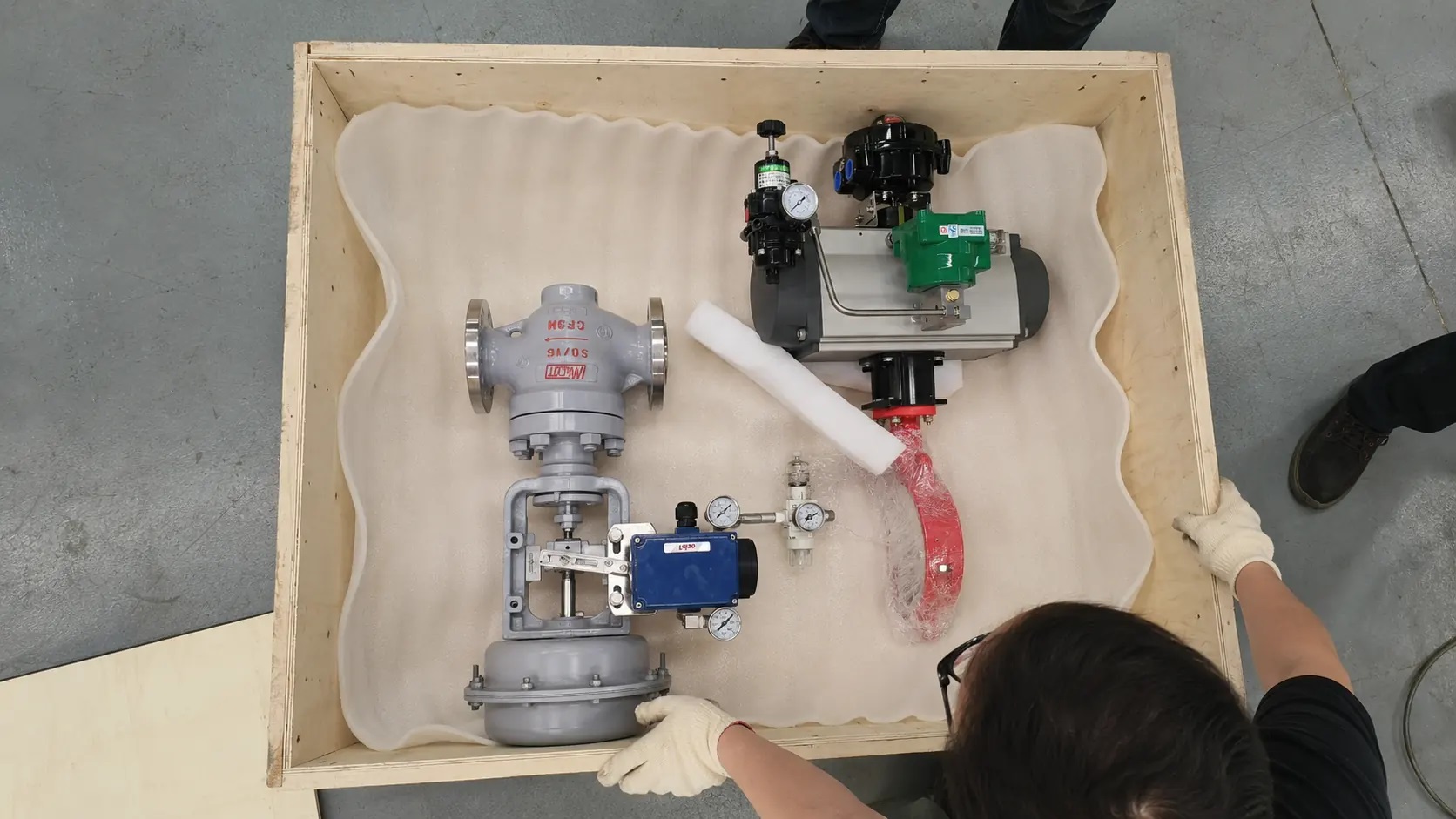
Understanding early warning signs makes maintenance activities more effective. Regular equipment observation helps maintenance teams recognize developing concerns and arrange suitable repairs before they affect overall productivity.
-
- Fluid Leakage: Damaged seals, loose connections, and worn components can affect proper sealing performance.
- Irregular Flow: Internal blockages or mechanical wear may interfere with consistent fluid movement.
- Unusual Vibrations: Unexpected movement or noise can indicate the need for inspection and adjustment.
- Delayed Operation: Slow valve responses may affect process timing and equipment coordination.
- Pressure Fluctuations: Inconsistent pressure regulation can influence the performance of connected machinery.
Professional Repair Techniques Enhance Equipment Reliability
Quality repair services focus on restoring valve performance while maintaining the integrity of essential components. Careful evaluation and suitable replacement materials help ensure dependable operation across demanding industrial applications.
-
- Component Inspection: Detailed examination helps identify worn, damaged, or incorrectly fitted parts.
- Seal Replacement: Installing compatible sealing materials supports effective leakage prevention.
- Internal Cleaning: Removing accumulated debris helps restore smooth movement and reliable operation.
- Actuator Maintenance: Proper servicing improves responsiveness and supports accurate valve control.
- Performance Testing: Thorough checks help confirm satisfactory operation after repair activities.
Preventive Maintenance Supports Consistent Productivity
A planned maintenance schedule creates opportunities to monitor equipment condition and maintain reliable performance. Consistent attention to operating conditions also helps improve equipment availability and workplace efficiency.
-
- Routine Inspections: Regular visual checks help identify developing concerns at an early stage.
- Pressure Monitoring: Maintaining suitable operating pressure supports dependable valve performance.
- Proper Lubrication: Appropriate lubrication helps reduce friction and unnecessary component wear.
- Clean Operating Conditions: Effective filtration limits contamination and protects internal valve components.
- Maintenance Records: Documenting service activities helps improve future maintenance planning.
Choosing Suitable Repair Solutions for Long-Term Performance
Selecting appropriate repair services makes a valuable difference in maintaining industrial productivity. Experienced technicians, quality replacement components, and application-specific recommendations contribute to dependable equipment operation.
Understanding https://www.vincervalve.com/solenoid-valve-failure-symptoms/ also helps maintenance teams recognize potential performance concerns and make informed repair decisions.
-
- Quality Components: Reliable replacement parts support durability and consistent functionality.
- Technical Expertise: Skilled maintenance professionals help ensure accurate inspections and effective repairs.
- Application Compatibility: Suitable materials and valve specifications improve performance under operating conditions.
- Reliable Testing: Post-repair assessments support confidence in equipment functionality.
- Ongoing Support: Consistent maintenance assistance encourages long-term operational stability.
Conclusion
Effective valve repair solutions are essential for maintaining reliable industrial productivity and efficient equipment performance. Combining timely repairs, preventive maintenance, quality components, and professional technical support helps businesses achieve smoother operations and improved equipment longevity. A proactive approach to valve care strengthens process reliability, supports consistent production, and creates lasting value for industrial operations.